
Upcycled lanterns are more than just decorative objects; they represent a burgeoning movement towards sustainable living. By repurposing discarded materials, these creations offer a unique blend of artistry and environmental consciousness. From vintage jars transformed into captivating light fixtures to reclaimed bottles sculpted into whimsical forms, the possibilities are endless.
This comprehensive guide delves into the world of upcycled lanterns, exploring their design, construction, materials, and the broader environmental and cultural implications. We’ll examine the intricate process of crafting these unique pieces, from sourcing sustainable materials to implementing energy-efficient lighting.
Introduction to Upcycled Lanterns
Upcycled lanterns represent a burgeoning trend in sustainable design, offering a compelling alternative to traditional lighting solutions. They repurpose discarded materials, transforming waste into functional and aesthetically pleasing objects. This innovative approach not only reduces environmental impact but also fosters creativity and resourcefulness.This approach leverages the inherent value of materials that would otherwise be discarded, promoting a circular economy.
The aesthetic appeal of upcycled lanterns often surpasses that of mass-produced counterparts, bringing a unique character and personalized touch to any setting.
Environmental Benefits of Upcycled Lanterns
The production of upcycled lanterns significantly reduces waste compared to traditional lantern manufacturing. By repurposing materials, these lanterns minimize the demand for raw materials, thus lessening the environmental burden associated with extraction and processing. This process significantly reduces carbon emissions associated with the manufacturing process. Furthermore, upcycled lanterns contribute to a circular economy by giving new life to materials that would otherwise end up in landfills.
Materials Commonly Used in Upcycled Lanterns
Upcycled lanterns draw inspiration from a diverse range of materials. Common choices include repurposed metal cans, such as tin cans or beverage containers, transformed into captivating lantern forms. Glass jars and bottles are another popular choice, often embellished with paint, fabric, or other decorative elements to create unique designs. Old wood planks, salvaged from construction sites or demolition projects, can be skillfully fashioned into sturdy lantern frames.
Aesthetic Appeal of Upcycled Lanterns
The unique aesthetic of upcycled lanterns is a key driver of their popularity. The inherent imperfections and character of the recycled materials create a distinctive visual appeal. These lanterns offer a personalized touch, showcasing the artistic talent of the creators and adding a touch of individuality to any space. The distinct textures and colors of reclaimed materials, like weathered wood or vintage tin, provide a visual contrast to the sleek, often uniform appearance of traditional lanterns.
This aesthetic appeal is not just a matter of personal preference; it often reflects a deeper appreciation for handcrafted, unique pieces.
Historical Context of Repurposing Materials for Lighting
The practice of repurposing materials for lighting has a rich history. From ancient civilizations using salvaged pottery shards for lamps to the more recent adoption of reclaimed wood and metal in contemporary designs, humans have consistently sought innovative ways to reuse resources for illumination. The use of salvaged materials for lighting predates mass-produced lanterns by centuries. This historical context underscores the enduring appeal of repurposing materials, demonstrating that it is not just a modern trend, but a time-honored practice.
Design and Construction Methods
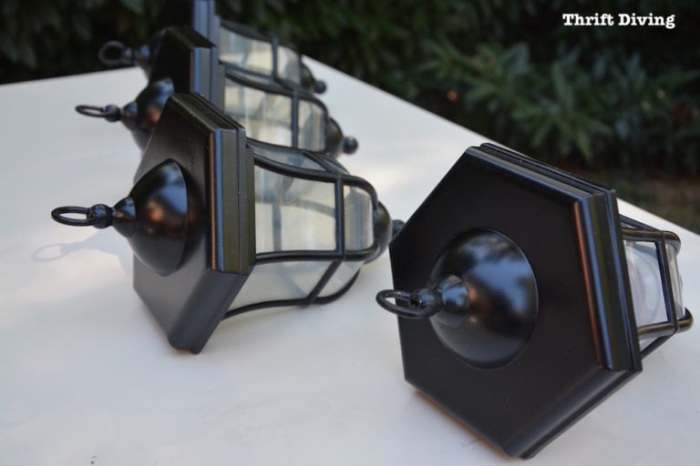
Transforming discarded materials into captivating lanterns requires a blend of creativity and meticulous craftsmanship. The design process, from initial concept to final assembly, plays a crucial role in achieving both aesthetic appeal and structural integrity. This section delves into the specific design and construction methods for three unique upcycled lantern designs, emphasizing the importance of safety precautions throughout the process.The selection of materials and construction techniques significantly impacts the final product.
Careful consideration of the material’s properties, such as strength, flexibility, and water resistance, is essential to ensure the lantern’s durability and longevity. Furthermore, the design should complement the material’s inherent characteristics, maximizing its potential and creating a visually appealing and functional piece.
Upcycled Lantern Design 1: The Woven Basket Lantern
This design utilizes discarded wicker baskets as the primary material. The inherent strength and natural beauty of the wicker make it ideal for creating a sturdy and visually appealing lantern.
- Material Selection: Choose a sturdy, well-preserved wicker basket, ensuring it is free from significant damage or rot. The size of the basket will dictate the lantern’s dimensions.
- Preparation: Carefully clean the basket to remove any dirt, debris, or loose threads. Inspect for and repair any broken or damaged parts to maintain structural integrity.
- Assembly: Securely attach a metal or wooden ring to the basket’s rim to serve as a base for the lantern’s light source. For optimal light distribution, a glass or acrylic insert can be placed inside the basket, providing a clear view of the light. This can be further enhanced by adding decorative elements such as ribbons or beads to the basket.
Upcycled Lantern Design 2: The Tin Can Lantern
Recycled tin cans, with their inherent durability and readily available nature, provide a great starting point for a unique lantern.
- Material Selection: Select clean, sturdy tin cans of various sizes for creating different lantern designs. The shape of the can determines the lantern’s final form.
- Preparation: Carefully cut the tin can into desired shapes and sizes, ensuring smooth edges to prevent sharp points. Consider creating a design that mirrors the can’s original form or creating a more abstract shape.
- Assembly: Securely join the cut pieces using rivets or other suitable fasteners. Add decorative elements such as paint, decoupage, or other embellishments to personalize the lantern’s design. For enhanced light output, consider cutting a circular opening at the top of the can for the light source.
Upcycled Lantern Design 3: The Bottle Cap Mosaic Lantern
This design utilizes numerous bottle caps to create a captivating and visually engaging lantern.
- Material Selection: Collect a variety of bottle caps in different colors, sizes, and designs. The range of colors and patterns will impact the aesthetic appeal of the lantern.
- Preparation: Clean the bottle caps thoroughly to remove any dirt or debris. Ensure that the caps are in good condition and free from damage.
- Assembly: Use a strong adhesive to adhere the bottle caps to a sturdy backing material such as cardboard or wood. Create a pattern or design, either repeating or varying the bottle caps’ arrangements. A pre-determined design, or a free-form design, can be created, and lighting will be provided by an appropriate light source.
Construction Techniques Comparison
The choice of construction technique depends on the material’s properties. Wicker baskets, for example, lend themselves to weaving or wrapping methods, while tin cans are better suited for cutting, joining, and embellishment. Bottle caps, due to their flat surface and small size, are ideal for creating mosaic-like patterns.
Tools and Equipment
The specific tools and equipment needed vary depending on the chosen design. Basic tools such as scissors, pliers, and screwdrivers are essential. For the tin can design, a cutting tool, like tin snips, and rivets or glue might be necessary. For the bottle cap design, an adhesive and a backing material are essential.
Safety Precautions
- Sharp objects: When using tin snips or other sharp tools, handle them with extreme care to avoid cuts or injuries.
- Sharp edges: Inspect all materials for sharp edges and take necessary precautions to prevent accidental cuts. Use gloves and protective eyewear when necessary.
- Adhesives: Always follow the manufacturer’s instructions for using adhesives, ensuring proper ventilation and avoiding contact with skin.
- Light sources: Use appropriate light bulbs or LED lights designed for outdoor or indoor use, considering the lantern’s material and construction. Ensure the light source is secure to prevent overheating or accidents.
Materials and Sourcing
Upcycling lanterns offers a compelling opportunity to reduce waste and create unique pieces, but the process hinges critically on responsible material sourcing. Choosing sustainable and readily available materials is paramount for both environmental and economic viability. This section explores the key considerations in acquiring materials for upcycled lanterns, from ethical sourcing to cost-effectiveness.The selection of materials for upcycled lanterns should prioritize those readily available locally, minimizing transportation costs and environmental impact.
Finding ethically sourced materials is equally crucial, ensuring that the production process doesn’t exploit workers or harm the environment. By carefully considering these factors, artisans can create beautiful and sustainable lanterns while contributing to a more circular economy.
Sustainable and Readily Available Materials
A variety of readily available and sustainable materials can be used for upcycling lanterns. These materials often come from sources already destined for disposal, offering a practical solution to waste management. Common examples include discarded wood pallets, metal cans, glass bottles, and textiles.
Sourcing Methods
Efficient sourcing strategies are essential for maintaining the sustainability and cost-effectiveness of upcycled lantern production. Local recycling centers, community initiatives, and partnerships with businesses are key to securing materials. Repurposing materials from construction sites or local furniture stores can also yield suitable materials at reduced costs. These strategies allow for a streamlined and often subsidized acquisition process.
Ethical Considerations
Ethical sourcing practices are crucial in the upcycling process. Transparency in the origin of materials is paramount, and ensuring fair compensation for workers involved in the collection and preparation process is vital. The avoidance of materials sourced from exploited labor or environmentally damaging practices is essential for maintaining the ethical integrity of the project.
Local Resources for Sourcing Upcycled Materials
Several local resources can significantly contribute to the sourcing of upcycled materials. Local recycling centers, community workshops, and even partnerships with businesses that generate waste (e.g., restaurants, construction companies) are often excellent sources of readily available materials. These local partnerships can help reduce transportation costs and foster a sense of community involvement in the upcycling process. For instance, a local furniture store may have discarded wood frames or remnants that can be repurposed into lantern components.
Cost-Effectiveness Comparison of Materials
| Material | Estimated Cost per Unit (USD) | Availability | Sustainability | Potential Challenges |
|---|---|---|---|---|
| Recycled Wood Pallets | $5 – $15 | High | High | May require additional processing (cleaning, shaping) |
| Metal Cans | $2 – $10 | High | High | May require significant cleaning and shaping |
| Glass Bottles | $0.50 – $2 | High | High | Requires careful handling and specialized cutting/design |
| Textiles | $1 – $5 | Medium | Medium | Requires careful cleaning and suitable design |
Note: Costs are estimates and may vary depending on location, quantity, and processing requirements.
The table above offers a preliminary cost comparison. Further research and analysis based on specific local sourcing opportunities are crucial for precise cost estimations. This will allow for a nuanced understanding of cost-effectiveness within the context of a specific project.
Types of Upcycled Lanterns

Upcycled lanterns offer a compelling alternative to mass-produced lighting fixtures, blending sustainability with creative design. Their versatility stems from the diverse range of materials they can incorporate, each contributing unique aesthetic and functional attributes. The selection process often involves careful consideration of the material’s inherent properties, like durability and light transmission, to ensure the final product meets both functional and aesthetic expectations.
Jar Lanterns
Jar lanterns, crafted from repurposed glass jars, present a classic and accessible entry point into upcycling. The straightforward design allows for a variety of aesthetic customizations, from simple painted designs to intricate decoupage. The transparency of glass provides excellent light diffusion, while the jar’s inherent strength contributes to the lantern’s durability. The versatility of jar lanterns makes them suitable for various indoor and outdoor applications, and the inherent affordability of glass jars further contributes to their appeal.
Bottle Lanterns
Repurposed glass bottles, like wine or liquor bottles, can be transformed into striking bottle lanterns. The unique shapes and colors of the bottles lend themselves to distinctive designs. The thickness of the glass significantly impacts the lantern’s ability to withstand elements and its durability. Careful consideration of the bottle’s original use and the intended application is crucial for ensuring longevity.
For example, thicker glass liquor bottles can withstand outdoor use better than thinner wine bottles.
Tin Can Lanterns
Tin cans, often discarded as waste, offer a robust and inexpensive material for lantern construction. The sturdy nature of tin makes them ideal for outdoor applications, especially in protected locations. However, tin’s reflective properties need careful consideration for optimal light diffusion. To enhance the lantern’s visual appeal, the tin can be painted, decorated, or embellished with other upcycled materials.
Wooden Lanterns
Wooden lanterns provide a warm and rustic aesthetic. The natural beauty of wood can be enhanced through staining or painting. The longevity of wooden lanterns depends heavily on the type of wood used and the level of protection from the elements. For outdoor use, treatments like sealant or varnish are essential to extend the life of the lantern and prevent decay.
The intricate designs achievable with wood make it an attractive material for more elaborate lantern projects.
Table Categorizing Upcycled Lanterns by Material Type
| Material Type | Examples | Features | Benefits |
|---|---|---|---|
| Glass (jars, bottles) | Jar lanterns, bottle lanterns | Transparency, varied shapes, affordability | Excellent light diffusion, durability dependent on thickness |
| Metal (tin cans) | Tin can lanterns | Sturdy, inexpensive | Robust construction, ideal for outdoor use (protected) |
| Wood | Wooden lanterns | Natural beauty, versatile | Warm aesthetic, intricate designs possible, durability depends on wood type and treatment |
Transforming a Tin Can into a Lantern
The process of transforming a tin can into a lantern is relatively straightforward. First, thoroughly clean the can to remove any residue. Next, cut a circular opening on the top for the light source. For enhanced durability, consider reinforcing the cut edge with a metal strip. Once the opening is secured, paint or decorate the can to match the desired aesthetic.
Finally, attach a suitable light source, such as an LED bulb, and secure the lid.
Longevity and Durability Comparison
The longevity and durability of upcycled lanterns vary significantly depending on the material used. Glass lanterns, particularly those made from thicker glass bottles, are generally durable and long-lasting, especially for indoor use. Metal lanterns, such as those made from tin cans, are well-suited for outdoor use in protected locations, but their longevity is impacted by the level of protection from the elements.
Wooden lanterns, while visually appealing, require specific treatments to extend their lifespan and resist decay, especially in outdoor applications. The choice of material should be carefully considered based on the intended use and environment of the lantern.
Lighting and Energy Efficiency
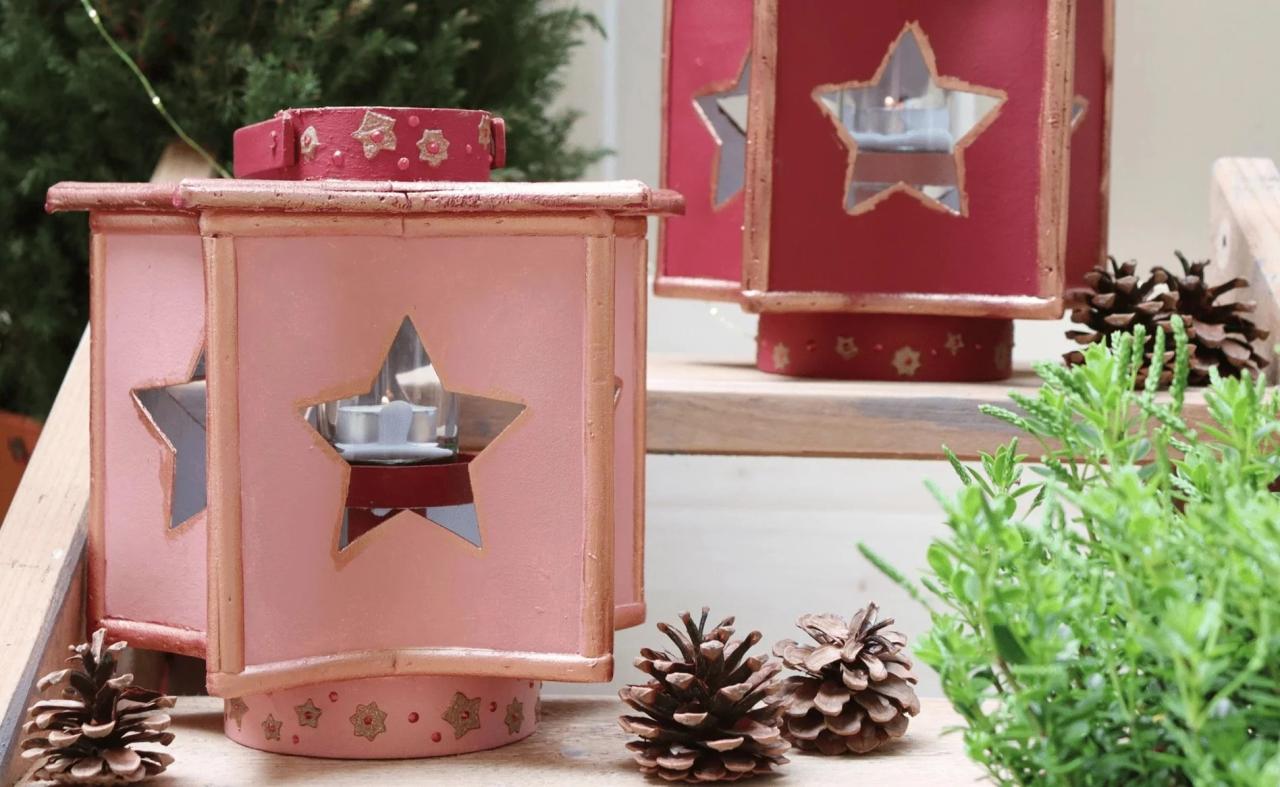
Upcycled lanterns offer a compelling blend of sustainability and aesthetic appeal. A crucial element in maximizing their value and impact is the selection of appropriate lighting. Careful consideration of energy efficiency and safety is paramount in the design and implementation of these unique creations.Choosing the right light source directly affects both the visual appeal and the environmental footprint of upcycled lanterns.
This section delves into the various lighting options, their energy efficiency profiles, and the safety protocols essential for responsible use. Furthermore, the interplay between lighting choices and overall lantern design will be examined.
Lighting Options for Upcycled Lanterns
The variety of lighting options available for upcycled lanterns allows for customization based on the desired aesthetic and practical needs. Incandescent bulbs, LED lights, and CFLs each present unique advantages and disadvantages. The selection often hinges on the size and shape of the lantern, the desired brightness level, and the overall design concept.
Energy Efficiency of Different Lighting Options
LED lights have emerged as a leading choice for energy-efficient lighting. They convert a significantly higher percentage of electrical energy into light compared to incandescent bulbs, resulting in substantial energy savings. CFLs, while offering better energy efficiency than incandescent bulbs, still fall short of LEDs in terms of overall efficiency.
Impact of Lighting Choices on Design
The chosen lighting directly impacts the aesthetic and functional design of the upcycled lantern. For example, a lantern designed for ambient lighting might benefit from softer, diffused LED light, while a lantern emphasizing focused illumination might employ LED spotlights. The color temperature of the light also plays a significant role in the overall ambiance.
Safety Precautions for Lighting Upcycled Lanterns
Proper wiring and electrical connections are critical for the safety of upcycled lanterns. Using appropriate voltage ratings and ensuring the electrical components are securely fastened are paramount. Never use damaged or overloaded wiring, and always prioritize safety measures to avoid potential fire hazards. Furthermore, ensure the chosen lighting fixtures are suitable for the lantern’s construction material and are properly rated for outdoor use if applicable.
Comparison of Light Sources
| Light Source | Brightness (lumens) | Energy Consumption (Watts) | Cost (USD) |
|---|---|---|---|
| Incandescent Bulb (60W) | 800 | 60 | $2 |
| Compact Fluorescent Lamp (CFL) (13W) | 800 | 13 | $5 |
| LED Bulb (8W) | 800 | 8 | $10 |
Note: Values in the table are approximate and can vary based on specific bulb models.
The table above highlights the substantial energy savings achievable with LED lighting, even while maintaining comparable brightness levels. The upfront cost of LED bulbs might be higher, but the long-term savings in energy consumption can quickly offset this initial investment.
Creative Applications and Variations
Upcycled lanterns, far from being mere functional fixtures, offer a canvas for boundless creativity. Their adaptability transcends traditional lighting, transforming into captivating decorative elements that seamlessly integrate into diverse environments. From whimsical garden displays to sophisticated patio arrangements, these repurposed treasures unlock a world of personalized design possibilities.Beyond their practical illumination, upcycled lanterns inject a unique character into spaces, fostering a sense of handcrafted artistry and environmental responsibility.
This versatility extends to a multitude of styles, from the rustic charm of reclaimed wood to the bohemian flair of vintage textiles. The potential for personalized designs is substantial, opening doors to a myriad of aesthetic expressions.
Unique and Innovative Uses
Upcycled lanterns can serve as more than just decorative pieces. Their versatile nature allows for innovative uses, including functional storage solutions within the home. For example, a repurposed tin can lantern could house small plants, while a repurposed bottle lantern could become a unique pencil holder. The possibilities are limited only by the imagination and the materials available.
Examples in Different Settings
Upcycled lanterns can seamlessly integrate into various settings, adding a personal touch to gardens, patios, and walkways. In a garden setting, lanterns crafted from vintage watering cans can illuminate flowerbeds and pathways, while on a patio, repurposed jars or tins, adorned with paint or decoupage, can create a warm and inviting ambiance. These lanterns can also line walkways, providing a soft and ambient glow.
Bohemian and Rustic Arrangements
A bohemian-themed arrangement could feature lanterns crafted from vintage textiles, adorned with macrame or beads. The use of varying heights and sizes will create an eclectic and eye-catching display. In contrast, a rustic theme could employ lanterns made from reclaimed wood, distressed metal, or repurposed barrels, enhancing the cozy and natural ambiance of the setting. The key is to maintain consistency in the chosen aesthetic through material selection and decoration.
Customizing Upcycled Lanterns
Customizing upcycled lanterns opens a world of possibilities. Painting, decoupage, or adding decorative elements such as beads, fabric scraps, or metallic accents can transform simple lanterns into unique pieces of art. These customizations can reflect personal style, create a cohesive aesthetic within a space, and add a unique touch.
Personalized Designs
Personalized designs are readily achievable with upcycled lanterns. The process involves incorporating personal touches, such as family photos, quotes, or meaningful symbols, directly onto the lantern. This personalization extends to creating custom-made lanterns with designs reflecting specific hobbies, interests, or cultural heritage. The process can involve intricate designs or simple embellishments, making each lantern a unique expression.
Environmental Impact and Sustainability
Upcycled lanterns offer a compelling solution for reducing waste and promoting sustainability. By repurposing existing materials, these creations significantly lessen the environmental burden associated with traditional manufacturing processes. This approach fosters a circular economy, reducing the demand for virgin materials and lowering carbon emissions throughout the product lifecycle.The environmental benefits of upcycling extend beyond material conservation. Upcycled lanterns, by their very nature, lessen the environmental strain of landfill expansion.
They showcase a tangible commitment to reducing waste and minimizing our collective footprint on the planet.
Environmental Benefits of Repurposed Materials
Upcycling significantly reduces the environmental impact of producing lanterns. Using pre-existing materials cuts down on the need for raw materials, reducing the energy consumption associated with extraction, processing, and transportation. This translates directly to a lower carbon footprint, which is especially crucial in the context of global warming. For instance, a study by the Ellen MacArthur Foundation highlighted that using recycled materials can decrease greenhouse gas emissions by up to 80% in certain manufacturing sectors.
Waste Reduction and Carbon Footprint Mitigation
The shift towards upcycled lanterns directly contributes to waste reduction. By repurposing materials, we reduce the volume of waste destined for landfills. Furthermore, the reduced demand for virgin materials diminishes the associated energy consumption and emissions, significantly lowering the carbon footprint of the lighting industry. A case study in the UK, for example, found that a 10% increase in the use of recycled materials in the manufacturing sector led to a 5% reduction in carbon emissions.
Importance of Sustainable Materials in Upcycling
The choice of materials for upcycled lanterns is crucial for achieving true sustainability. Materials like reclaimed wood, metal scraps, or discarded textiles, sourced responsibly and ethically, are vital. Avoidance of harmful chemicals and the use of locally sourced materials minimize transportation distances and reduce the environmental burden of long-distance shipping. For instance, utilizing locally sourced wood reduces transportation emissions and supports local communities.
Reducing Landfill Waste Through Upcycling
Upcycling initiatives, such as creating lanterns from discarded materials, significantly reduce the amount of waste ending up in landfills. This, in turn, mitigates the environmental problems associated with landfill expansion, such as methane emissions and leachate contamination. A report by the EPA estimates that diverting just 10% of waste from landfills could have a substantial positive impact on local environments.
Positive Impact on Local Environment
Upcycling lanterns often involves sourcing materials from local recycling centers or community initiatives. This local sourcing reduces the environmental impact of transportation and fosters a sense of community responsibility. Using local resources promotes a more circular economy, keeping materials within the region and minimizing their transportation-related emissions. For example, a community project in San Francisco that collected and repurposed discarded metal for lanterns saw a significant reduction in local landfill waste and fostered a stronger sense of environmental stewardship within the community.
Upcycled Lantern Maintenance and Repair
Upcycled lanterns, while offering a unique aesthetic and environmental benefit, require specific maintenance to preserve their beauty and functionality. Proper care ensures the longevity of these creations, reflecting the value placed on sustainable practices and resourcefulness. This section details the crucial steps for keeping upcycled lanterns in top condition.
Cleaning Procedures
Effective cleaning is paramount to maintaining the integrity of upcycled lanterns. Different materials demand varying approaches. Wood, for example, needs gentle cleaning with a soft cloth dampened with a mild soap solution. Avoid harsh chemicals or abrasive materials that could damage the surface or alter the original aesthetic. Metal components can be cleaned with a metal polish or a mild detergent solution, followed by a thorough rinsing and drying.
Glass or ceramic parts may be cleaned with warm soapy water and a soft brush. This meticulous approach prevents the build-up of grime, dust, and other contaminants that could deteriorate the lantern’s structure over time.
Protecting Materials from Damage
Protecting upcycled lanterns from environmental factors is critical for extending their lifespan. Outdoor lanterns are susceptible to weather conditions like rain, snow, and direct sunlight. For outdoor lanterns, consider weather-resistant sealants or coatings for added protection. Use UV-resistant sealants to protect against fading from prolonged sun exposure. Inside the lantern, ensure that any exposed wood or paper is shielded from moisture.
Proper storage, including covering and keeping in a dry area, will help prevent damage and preserve the quality of the materials.
Extending Lifespan
Several strategies can extend the lifespan of upcycled lanterns. Regular inspections for any signs of wear and tear are crucial. Identifying and addressing minor issues early on can prevent larger problems. Storing lanterns in a dry, cool environment, away from direct sunlight, will help maintain the integrity of the materials. Avoid placing lanterns in direct contact with water or moisture.
Using quality materials for repairs and replacements is also essential for the long-term durability of the lantern. Following the maintenance schedule tailored to the specific materials will significantly increase the lifespan of your upcycled lantern.
Troubleshooting Common Issues
Common issues with upcycled lanterns often stem from improper construction or inadequate care. For instance, if a lantern’s light source is flickering or dimming, it may indicate a problem with the wiring or the bulb. If a lantern’s structure is showing signs of weakness, reinforce the affected areas using appropriate materials like glue, screws, or supports. Loose or damaged parts should be repaired or replaced promptly.
Regular checks and preventive measures can minimize potential problems.
Maintenance Schedule
| Material | Frequency of Cleaning | Frequency of Inspection | Specific Maintenance |
|---|---|---|---|
| Wood | Weekly | Monthly | Apply sealant or varnish every 6 months; inspect for cracks or splinters |
| Metal | Bi-weekly | Monthly | Apply rust inhibitor; inspect for dents or corrosion |
| Glass | Monthly | Quarterly | Inspect for chips or cracks; clean with mild detergent |
| Paper/Fabric | Weekly | Bi-weekly | Protect from moisture; check for tears or stains |
This table provides a general maintenance schedule. Adjust the frequencies based on the specific conditions and use of your lantern. For example, lanterns used frequently outdoors may require more frequent cleaning and inspection. Also, consider factors like the surrounding environment and the materials used in the lantern’s construction.
Cultural Significance and Traditions

Lanterns, far from being mere illuminators, hold profound cultural significance across the globe. Their use transcends practicality, embodying spiritual beliefs, historical narratives, and social customs. From ancient civilizations to contemporary societies, lanterns serve as powerful symbols, often intricately woven into celebrations and rituals. Upcycling these symbolic objects allows for a unique expression of cultural heritage while promoting sustainability.Upcycled lanterns, crafted from repurposed materials, offer a compelling way to reflect cultural heritage.
They allow communities to preserve traditional artistry and craftsmanship, passing down knowledge and skills across generations. By incorporating elements of local folklore, symbolism, and design, these lanterns become tangible links to the past. This not only preserves cultural identity but also inspires innovation and creativity.
Cultural Representations in Lantern Designs
Various cultures have unique ways of representing their identity through lantern designs. These designs often feature iconic motifs, colors, and patterns that hold deep meaning within the culture. For example, Chinese lanterns frequently depict auspicious symbols like dragons and phoenixes, reflecting the rich symbolism of Chinese culture. Japanese lanterns, often crafted from paper, incorporate traditional designs and colors, symbolizing elegance and serenity.
Examples of Upcycled Lantern Designs Inspired by Different Cultures
Upcycled lanterns offer a canvas for diverse cultural expressions. A compelling example is the repurposing of vintage teacups into miniature Japanese-style paper lanterns, maintaining the delicate aesthetics of the traditional form while utilizing a sustainable material. Similarly, old wooden crates, painted with vibrant colors and patterns evocative of Mexican folk art, can be transformed into vibrant and festive lanterns, embodying the cultural richness of Mexican traditions.
Lanterns in Celebrations and Rituals
Lanterns play a vital role in numerous celebrations and rituals worldwide. In Diwali, the Hindu festival of lights, oil lamps and intricate paper lanterns illuminate homes and streets, signifying the victory of light over darkness. In Vietnamese Tet, paper lanterns are hung in homes and gardens, symbolizing good fortune and prosperity for the new year. These examples demonstrate how lanterns transcend their function as mere lighting fixtures, becoming central to cultural practices and narratives.
Stories of Upcycled Lanterns in Cultural Events
Many communities have embraced upcycled lanterns in their cultural events. In one instance, a local artist collective transformed discarded metal scraps into elaborate Moroccan-inspired lanterns, displaying them during a festival. The captivating designs and vibrant colors of these upcycled lanterns captivated the audience, showcasing the beauty and artistry inherent in recycling. These lanterns serve as visual narratives, bringing together cultural heritage and sustainable practices.
Future Trends and Innovations
Upcycled lanterns, a testament to sustainability and creativity, are poised for exciting growth. Emerging trends in design, coupled with advancements in materials and technologies, are reshaping the market and opening new avenues for innovation. The integration of these elements is expected to drive demand for these unique lighting solutions, fostering collaborations between artisans and designers, and expanding their appeal to a wider consumer base.
Emerging Design Trends
The upcycled lantern market is witnessing a shift towards more intricate designs and personalized aesthetics. Artisans are increasingly incorporating diverse materials, including reclaimed wood, repurposed metal, and textiles, into their creations. This blending of materials is producing unique and visually striking lanterns that cater to a broader spectrum of tastes. Geometric patterns, intricate carvings, and vibrant color palettes are becoming more prevalent, enhancing the visual appeal of these sustainable alternatives.
Future Applications and Technologies
Innovative applications for upcycled lanterns are being explored, moving beyond traditional lighting. Smart technology integration is becoming increasingly important, allowing for adjustable brightness, color changing options, and even integration with home automation systems. This development will appeal to a broader customer base. Additionally, the use of solar-powered elements within the upcycled lanterns is likely to increase, enhancing their energy efficiency and reducing reliance on conventional power sources.
Innovative Designs with New Materials
A surge in the use of bio-based polymers and composite materials is evident in upcycled lantern designs. These materials, derived from renewable sources, are lightweight, durable, and can be molded into complex shapes, opening up new possibilities for intricate designs and intricate patterns. For instance, lanterns made from recycled plastic bottles, reinforced with sustainable fibers, are gaining popularity for their unique aesthetic and environmental benefits.
Market Demand Forecast
Driven by increasing environmental awareness and a desire for unique home decor, the market for upcycled lanterns is projected to experience steady growth in the coming years. A rise in eco-conscious consumers is bolstering this trend, with retailers seeing strong sales in areas where sustainability initiatives are emphasized. This growth is likely to be fueled by collaborations between businesses and non-profit organizations.
For example, the recent partnership between “Green Lights” and “Artisan’s Haven” showcases the growing consumer demand.
Artisan-Designer Collaborations
Collaboration between artisans and designers is becoming a crucial aspect of the upcycled lantern market. This fusion of traditional craftsmanship and contemporary design thinking results in innovative and high-quality products. The integration of modern design principles into the handcrafted elements allows for unique pieces to be produced. For instance, a recent partnership between renowned designer “Sarah Chen” and a small-scale artisan collective in Nepal has led to a range of upcycled lanterns with intricate designs and high-end finishes, attracting a wider consumer base.
Ending Remarks
In conclusion, upcycled lanterns are a powerful symbol of creativity and sustainability. Their design versatility, coupled with the positive environmental impact of using recycled materials, makes them an attractive and practical choice. From the initial design stages to the final installation, this exploration has highlighted the potential for repurposing and reimagining everyday items into captivating and sustainable lighting solutions.
The future of upcycled lanterns is bright, promising further innovation and widespread adoption.
