
Studio reference monitors are the ears of the audio professional, crucial for accurate sound reproduction during mixing and mastering. Their precise frequency response and tailored design allow producers to hear their music as intended, impacting the final sound quality. Choosing the right monitors is paramount, affecting the entire creative process.
This guide delves into the intricacies of studio reference monitors, from their fundamental design principles to practical setup and calibration techniques. We’ll explore various types, brands, and features, empowering you to make informed decisions about selecting and using these vital tools.
Defining Studio Reference Monitors
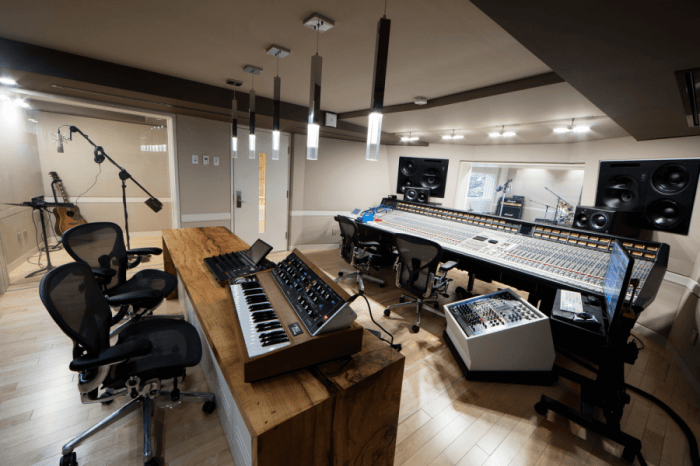
Studio reference monitors are the ears of the professional audio world, crucial tools for accurately capturing and reproducing sound in recording studios, mastering suites, and post-production environments. Their precise and detailed sonic characteristics are essential for mixing and mastering audio tracks, ensuring the final product aligns with the intended artistic vision. They differ significantly from consumer-grade speakers, prioritizing sonic accuracy over aesthetic appeal.These specialized speakers are designed to faithfully represent the audio source, devoid of coloration or distortion.
This accuracy is paramount for creative professionals who need to meticulously craft a specific sound. The absence of coloration allows engineers to hear the true nuances of the source material and make informed decisions about mixing and mastering, crucial for creating high-quality audio productions.
Key Characteristics of Studio Reference Monitors
Studio monitors are distinguished by their meticulous attention to sonic accuracy. They are designed to reproduce sound as faithfully as possible, without introducing any coloration or distortion. This neutrality is achieved through carefully selected drivers, precise crossover networks, and specialized enclosures. This eliminates any subjective biases that might affect creative decisions.
Types of Studio Reference Monitors
Studio reference monitors come in various types, each with unique acoustic properties. Nearfield monitors, positioned close to the listener’s ears, offer a highly detailed and intimate listening experience, ideal for mixing and mastering. Mid-field monitors, placed further away, provide a more comprehensive and spacious soundstage, often preferred for larger productions or projects requiring a wider sonic perspective. The choice of monitor type depends on the specific requirements of the task and the listening environment.
Technical Specifications
Accurate sound reproduction relies on precise technical specifications. Frequency response, measuring the range of audible frequencies the monitor can reproduce, is a critical aspect. A wide and flat frequency response ensures that the monitor accurately portrays the entire sonic spectrum, from deep bass to high treble. Sensitivity, or the monitor’s output level for a given input, influences the volume control settings and ensures a consistent output level across different projects.
Impedance, the measure of the resistance to current flow, impacts the interaction between the monitor and the audio equipment. Understanding these parameters is vital for optimizing audio setups and achieving desired output levels.
Frequency Response
The frequency response of a studio monitor dictates its ability to reproduce a wide range of audio frequencies accurately. A flat frequency response curve indicates a balanced sound across all audible frequencies, which is crucial for precise mixing and mastering. A non-flat response introduces coloration, potentially obscuring subtle sonic details. For instance, a monitor that emphasizes certain frequencies may lead to a biased perception of the audio mix.
Typical studio monitors have a frequency response range extending from below 50 Hz to above 20 kHz, with variations depending on the specific model.
Sensitivity and Impedance
Sensitivity, often measured in decibels (dB) per milliwatt (mW), determines the monitor’s output level for a given input power. Higher sensitivity means a louder output with the same input signal. This affects the volume controls used in the studio environment and is critical for ensuring consistent volume levels across different recordings. Impedance, usually measured in ohms, represents the resistance to current flow in the speaker.
Matching the impedance of the monitor to the output impedance of the audio interface is essential to avoid signal loss and ensure optimal performance.
Key Features and Design Considerations
Studio reference monitors are more than just speakers; they are critical tools for audio professionals, shaping the sound of music, film, and broadcast. Their precise reproduction of audio is paramount for accurate mixing and mastering, influencing the final product’s quality. Understanding the intricacies of their design is essential for achieving optimal results.Careful consideration of design elements, from cabinet construction to driver configuration, is vital in crafting a monitor that faithfully reproduces the intended sound.
The accuracy of frequency response, the impact of cabinet materials, and the importance of a well-designed listening environment all play a critical role in achieving a consistent and accurate sonic representation.
Cabinet Construction and Driver Configuration
The cabinet of a studio monitor significantly impacts its sound quality. Solid construction, often employing rigid materials like MDF or plywood, minimizes unwanted resonance and distortion, resulting in a clearer and more accurate sound. Different cabinet designs, including sealed, ported, or bass-reflex, affect the low-frequency response, impacting the perceived fullness and depth of the sound. Driver configuration, including the type of drivers (e.g., woofers, mid-range, tweeters) and their arrangement, plays a pivotal role in the monitor’s frequency response and tonal balance.
Frequency Response Accuracy
Accurate frequency response is crucial in studio monitors. A monitor that accurately reproduces the full spectrum of audio frequencies, from deep bass to high treble, allows engineers to hear subtle nuances and imbalances in a mix that might otherwise be masked. Variations in frequency response can lead to inaccurate perceptions of a mix, potentially resulting in poor mastering and final audio quality.
This accuracy is often represented graphically, showcasing how the monitor reproduces different frequencies.
Impact of Cabinet Materials
The material used for the cabinet profoundly affects the sound signature. Solid wood cabinets, for example, often exhibit a warmer, more resonant sound compared to MDF, which might sound cleaner but slightly less full in the low frequencies. The density and internal bracing of the cabinet significantly impact the bass response and overall sound characteristics. Different materials will produce different characteristics.
Crossover Networks
Crossover networks are critical components that direct audio signals to the appropriate drivers based on frequency. A well-designed crossover ensures that each driver operates within its optimal frequency range, preventing distortion and maximizing clarity. The design and components within the crossover network directly affect the transition between frequencies and can impact the perceived balance of the audio spectrum.
Studio Monitoring Environment
Creating a neutral and accurate listening environment is just as important as the monitor itself. Room treatment, including acoustic panels, bass traps, and diffusers, can minimize reflections and standing waves that can color the sound and create inaccurate perceptions. Strategic speaker placement, considering the listener’s position and room dimensions, is also crucial for avoiding unwanted reflections and achieving a consistent soundstage.
- Room Treatment: Absorption of unwanted reflections and control of standing waves is essential. Acoustic panels, bass traps, and diffusers can effectively address these issues. Proper placement of these elements can dramatically improve the listening experience and create a more neutral acoustic environment.
- Speaker Placement: Positioning the monitors at the correct distance and angle from the listening position is critical. Experimentation with different placement options and considerations for the room’s dimensions are crucial for achieving the best listening experience.
Factors Affecting Sound Quality
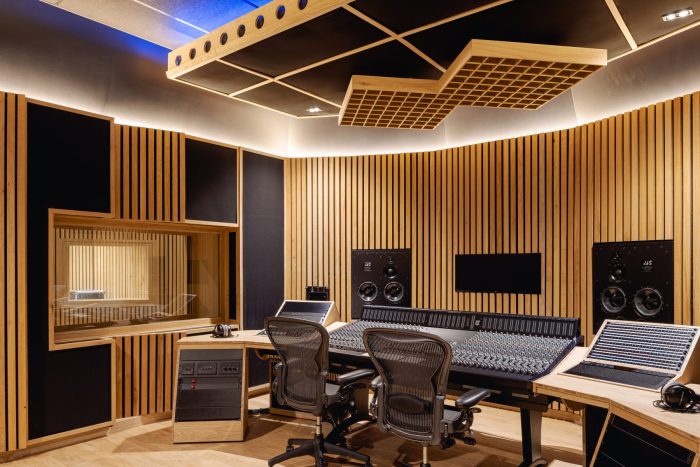
Studio reference monitors, while meticulously crafted, are ultimately susceptible to the nuances of their environment. Understanding these influencing factors is crucial for achieving accurate and consistent sound reproduction in a professional audio setting. Room acoustics, speaker placement, brand variations, and calibration all play significant roles in shaping the sonic experience. Ignoring these factors can lead to inaccurate mixes and ultimately, compromised audio quality.Accurate sound reproduction in a studio environment is a delicate balance, requiring careful consideration of multiple interacting variables.
The sonic character of the studio monitors themselves is certainly paramount, but the surrounding environment and how the listener interacts with them is equally crucial. The perceived sound is a composite of the monitor’s inherent qualities, the acoustic characteristics of the room, and the listener’s position.
Room Acoustics Impact
Room acoustics exert a profound influence on the perceived sound of studio monitors. Reflections, reverberations, and standing waves within the room can significantly alter the frequency response and tonal balance of the reproduced sound. These distortions can mask subtle details and lead to an inaccurate representation of the source material.Strategies to mitigate room acoustic issues include the strategic use of acoustic treatment materials such as bass traps, diffusers, and absorption panels.
These treatments help to control reflections and standing waves, creating a more neutral and predictable listening environment. Proper placement of these treatments within the room is essential for optimal effectiveness. Careful consideration of the room’s dimensions, shape, and materials is key to achieving the most suitable acoustic characteristics.
Speaker Placement Considerations
Speaker placement directly impacts the perceived sound quality. The ideal distance from the listener to the monitors and the angle at which the monitors are positioned are critical. A listening position too close to the speakers can result in a sound that is overly emphasized in the mid-range frequencies, whereas a position too far away can diminish the clarity and detail of the sound.The optimal listening distance is typically 1 to 2 meters from the monitors, and the angle should be positioned at a 90-degree angle to the speakers.
This allows for a balanced listening experience. This positioning ensures that the sound from each speaker reaches the listener’s ears simultaneously, with minimal reflections and distortions.
Brand Variations in Sound Characteristics
Different brands of studio reference monitors employ varying design philosophies and technologies. These differences manifest in their sonic qualities, impacting the tonal balance, frequency response, and overall character of the sound. Some brands may emphasize clarity and detail in the high frequencies, while others may prioritize warmth and fullness in the low frequencies.For instance, some monitors may exhibit a pronounced “bright” or “dark” signature.
A detailed understanding of the specific sonic characteristics of different brands is vital for selecting the monitors that best suit the individual needs and preferences of the audio engineer. This understanding is critical for ensuring that the chosen monitors accurately reflect the desired sonic characteristics of the audio being mixed.
Speaker Settings and Calibration
Precisely adjusting speaker settings is crucial for achieving accurate sound reproduction. Calibration tools and software provide an accurate measurement of the monitor’s frequency response and allow adjustments to compensate for any deviations from the ideal. This process, known as speaker calibration, is an essential step in ensuring that the sound being reproduced is consistent with the source material.By using specialized software and equipment, the user can fine-tune the monitors’ settings to match the characteristics of the room and the desired sound.
This process ensures that the studio monitors consistently produce an accurate and faithful representation of the source audio.
Choosing the Right Monitors
Selecting the ideal studio reference monitors is a crucial step in achieving professional-quality audio. The right pair can transform a home studio or professional recording space, accurately representing the sonic characteristics of a track, and facilitating nuanced adjustments for optimal mixing and mastering. However, the market offers a vast array of models, each with unique strengths and weaknesses.
Navigating this landscape requires a clear understanding of key factors, including budget, intended use, and personal preferences.Understanding your workflow and the type of music you create is paramount in the selection process. A meticulous evaluation of the technical specifications, paired with practical listening experience, is essential to ensure the monitors align with your specific sonic requirements. This meticulous approach allows for a seamless transition from recording to mixing, and ultimately, to a final product that satisfies your artistic vision.
Budget Considerations
Budget constraints are a significant factor in monitor selection. High-end monitors often boast superior components, leading to a more accurate and detailed frequency response. These advantages, however, typically come with a considerable price premium. Mid-range models offer a compelling balance between performance and cost-effectiveness, providing a satisfactory level of accuracy and detail within a reasonable budget. Lower-priced monitors, while often lacking the nuanced detail of their higher-end counterparts, can still be useful for basic tasks, particularly in the early stages of learning.
Intended Use
The intended use of the monitors is another critical consideration. For example, a vocalist focusing on vocal recording may favor monitors with excellent vocal reproduction, while a producer focusing on electronic music may require monitors with a wide frequency range and strong bass response. A meticulous evaluation of the intended tasks, from initial recording to the final mixing stage, is essential.
Personal Preferences
Personal preferences play a crucial role in the monitor selection process. Listening to different models and paying attention to the sonic characteristics is key. Some individuals might prioritize a warmer, more rounded sound, while others may prefer a neutral, accurate response. A thorough listening session can provide insights into which monitors resonate best with your aesthetic and sonic vision.
Comparison of Studio Monitor Models
Several brands and models excel in the studio monitor market. A comparison of models from different manufacturers highlights their unique attributes. For instance, the JBL LSR305, known for its punchy bass response, might be ideal for electronic music, while the Yamaha HS8, celebrated for its balanced sound signature, is well-suited for a broader range of genres. These examples illustrate the diverse sonic characteristics available in the market.
Table: Studio Monitor Specifications
| Monitor Model | Frequency Response (Hz) | Sensitivity (dB) | Impedance (Ω) | Price (USD) |
|---|---|---|---|---|
| JBL LSR305 | 50Hz-20kHz | 88dB | 8Ω | $300 |
| Yamaha HS8 | 55Hz-20kHz | 90dB | 8Ω | $450 |
| KRK Rokit RP5 G4 | 50Hz-20kHz | 88dB | 8Ω | $250 |
| ADAM Audio A5X | 45Hz-22kHz | 92dB | 8Ω | $600 |
Table: Studio Monitor Brands and Strengths
| Brand | Strengths |
|---|---|
| JBL | Known for its powerful bass response and affordable pricing. |
| Yamaha | Renowned for its balanced sound signature and accurate frequency response. |
| KRK | Provides a clear and detailed sound, popular among beginners and professionals. |
| ADAM Audio | Offers a wide frequency range, high sensitivity, and excellent detail reproduction, often preferred by demanding engineers. |
Setup and Calibration
Optimizing studio reference monitors for accurate sound reproduction hinges on meticulous setup and calibration. Proper placement and calibration techniques are paramount to ensuring the monitors faithfully translate the intended audio characteristics, minimizing room interference and maximizing the fidelity of the listening experience. This meticulous process translates into a more accurate and precise sonic representation, vital for critical listening and creative development in the studio.Achieving an accurate sound stage requires a deep understanding of the interaction between the monitors, the listening environment, and the audio signals themselves.
Calibration tools and techniques offer a roadmap to achieve this, transforming the monitoring process from a subjective experience to a measurable and repeatable one. Furthermore, different room configurations demand tailored placement strategies to mitigate the impact of reflections and standing waves, thus ensuring consistent and predictable sound reproduction.
Speaker Placement Strategies
Speaker placement directly impacts the perceived sound quality. Incorrect positioning can lead to inaccurate frequency response and spatial distortions. A crucial aspect of successful setup is understanding the impact of room acoustics. Understanding and addressing reflections, diffraction, and standing waves are key elements in achieving a balanced and accurate sound stage.
- Front-Facing Placement: Monitors should be positioned directly in front of the listener, at a comfortable listening distance. The ideal listening distance is often determined by the size of the monitors and the desired sonic image. For example, smaller monitors might sound best at 1-2 meters, while larger monitors could be optimally positioned at 2-3 meters.
- Off-Axis Placement: In some cases, slightly offsetting the monitors from a direct front-facing position can mitigate certain room problems, particularly reflections from side walls. This strategy often proves beneficial in rooms with significant side-wall reflections. The angle of offsetting can be adjusted based on the room’s dimensions and acoustic characteristics.
- Triangular Arrangement: A triangular arrangement, where the monitors are positioned at equal angles relative to the listener, is often used to enhance stereo imaging. This approach is particularly helpful for discerning the separation and depth of instruments in a stereo mix.
Monitor Calibration Methods
Accurate sound reproduction depends heavily on the calibration process. This process allows for adjusting the speaker’s output to accurately reflect the intended audio signal. Using calibration tools or software is critical in minimizing inaccuracies, ensuring consistency in sonic perception across different listening sessions.
- Calibration Tools and Software: Specialized software and hardware tools are designed to precisely measure and adjust the frequency response of the monitors. These tools allow for the identification and correction of any speaker-specific anomalies. For example, a tool like REW (Room EQ Wizard) can be used to generate frequency response curves and apply corrections for various issues such as dips or peaks in the response curve.
- Step-by-Step Calibration Procedure: The process usually involves placing the calibration microphone at the listening position, playing a series of test tones, and recording the frequency response. Software algorithms then analyze the data to generate corrective equalization curves that compensate for room and speaker-specific issues. By following the software’s instructions, the user can accurately adjust the frequency response of their monitors.
This often includes applying equalization to specific frequencies to create a flatter response, improving the accuracy of the reproduction.
Practical Applications
Studio reference monitors are more than just tools; they are the cornerstone of accurate audio reproduction in any professional studio. Their meticulous design and meticulous calibration enable producers to achieve a consistent and precise sonic experience, regardless of the recording environment. This accuracy is critical for mixing, mastering, and music production, ensuring that the final product maintains its intended character across various playback systems.Precise audio reproduction across diverse recording environments is crucial.
Reference monitors, carefully designed and calibrated, translate sound accurately, minimizing the influence of the listening room on the perceived audio. This consistent output is paramount in ensuring that mixes translate well across a multitude of playback environments, from headphones to home systems to larger venues.
Mixing
Mixing, the art of blending individual tracks to create a cohesive and balanced sound, relies heavily on accurate monitoring. Studio monitors provide a neutral and detailed representation of the audio, allowing engineers to make informed decisions about the balance, EQ, and dynamics of each track. This nuanced representation is critical for achieving a polished and professional sound. By accurately hearing the subtle nuances in each track and how they interact, mixers can achieve a balanced mix, devoid of muddiness or harshness.
This accuracy is essential, as a poorly mixed track can significantly impact the overall quality of the finished product.
Mastering
Mastering, the final stage of audio production, refines the overall sound of a recording for optimal playback across various systems. Reference monitors are essential for ensuring the master maintains its intended character and dynamic range. Their neutrality allows mastering engineers to accurately assess the sonic balance, clarity, and impact of the final mix. This crucial stage is often the difference between a professional-sounding recording and one that falls short.
By providing a neutral and precise representation of the master, studio monitors assist in achieving a polished and impactful listening experience.
Music Production
From initial recording to final mixing and mastering, studio monitors are instrumental in every stage of music production. They enable artists, producers, and engineers to work in a unified and precise sonic space. Monitoring tools facilitate a comprehensive evaluation of the music’s sonic structure, allowing for informed creative decisions. They provide a benchmark that helps artists understand how their music will translate to various playback environments.
Studio monitors are an indispensable tool in the creative process, fostering a shared understanding of the sonic vision.
Genre-Specific Applications
Different genres of music demand specific sonic characteristics. Reference monitors, with their neutral and detailed sound, allow producers to tailor their approach to the nuances of each genre. For example, a producer working on a rock track might use studio monitors to ensure a crisp, punchy sound with clear instrument separation. Conversely, a producer working on a jazz track might use studio monitors to maintain the subtleties and nuances of each instrument, achieving a rich and warm sound.
The versatility of studio monitors enables the adaptation of sound to various genres.
Troubleshooting
Studio monitors play a critical role in identifying and rectifying audio production issues. Their neutral and detailed response allows engineers to pinpoint problems, such as imbalances in the mix, overly processed tracks, or unwanted sonic artifacts. Early identification and resolution of these issues can save time and resources. A well-calibrated studio monitor is an essential tool for troubleshooting and ensuring the production process remains efficient and effective.
The accurate sound representation aids in preventing errors that can prove costly and time-consuming to correct later in the process.
Maintenance and Troubleshooting
Ensuring the longevity and peak performance of studio reference monitors demands proactive maintenance and a keen understanding of potential issues. Ignoring these aspects can lead to diminished sound quality, reduced accuracy, and ultimately, a shorter lifespan for these critical audio tools. A well-maintained system translates to consistent and reliable output, essential for professional audio production.Accurate audio reproduction is paramount in the studio environment.
Neglecting proper maintenance can lead to subtle yet significant distortions in sound, impacting the overall quality of the final product. Addressing potential problems promptly, using established troubleshooting procedures, prevents more significant issues from arising and preserves the integrity of the audio chain.
Preventive Maintenance Procedures
Regular maintenance is crucial for preserving the accuracy and reliability of studio monitors. A proactive approach minimizes potential problems and ensures the monitors remain in optimal condition.
- Surface Cleaning: Regularly wiping down the monitor’s exterior with a soft, lint-free cloth prevents dust buildup and ensures the aesthetic integrity of the unit. Avoid using abrasive cleaners or solvents that could damage the finish. Moisture can also be harmful to the electronics, so make sure the area is clean and dry.
- Speaker Cone Inspection: Periodically inspect the speaker cones for any signs of damage or distortion. Look for tears, bulges, or other abnormalities. This visual inspection helps to catch potential issues early, before they lead to more significant problems.
- Driver Maintenance: Ensure the drivers are free from obstructions. Examine the surrounding area for dust or debris that might be affecting sound output. Use compressed air to gently remove any obstructions, taking care not to apply excessive force. Proper driver maintenance is essential to prevent unwanted noises and ensure clean, accurate sound.
- Cabinet Inspection: Regularly inspect the cabinet for any signs of damage, such as cracks, dents, or warping. Proper cabinet maintenance is essential for maintaining the integrity of the monitor’s enclosure and sound reproduction. Any damage should be addressed promptly to prevent further issues.
Troubleshooting Common Issues
Accurate diagnosis and swift resolution of potential problems are vital for maintaining consistent audio quality.
- Distorted Sound: Distorted sound often arises from issues with the drivers, such as damaged cones or misaligned components. A systematic check of the drivers, including visual inspection and testing with a variety of audio signals, is crucial for identifying and addressing the cause of the distortion. The cause of distortion can be various, from loose connections to worn components.
- Low or No Output: Low or no output can be attributed to various factors, including a blown speaker or a loose connection in the signal chain. Begin by ensuring the monitor is properly connected and that the volume control is set appropriately. If the problem persists, checking the wiring and contacting a professional technician is advisable. A systematic troubleshooting approach, focusing on the connections and the device itself, is often effective in diagnosing and resolving such issues.
- Hissing or Buzzing Sounds: Hissing or buzzing noises are frequently caused by electrical interference or loose connections within the system. Ensuring a clean electrical supply, checking all connections, and potentially using grounding techniques can effectively address these issues. These noises can be highly disruptive in a studio setting, necessitating swift identification and resolution.
- Unbalanced Frequency Response: Imbalances in frequency response often stem from issues with the drivers or the enclosure. Testing with a frequency response analyzer can pinpoint the specific frequency ranges that are exhibiting problems. Addressing these imbalances is crucial for achieving a balanced sound signature across all frequencies.
Importance of Regular Maintenance
Regular maintenance extends the lifespan and ensures the accuracy of studio monitors. Ignoring these routines can lead to diminished audio quality and costly repairs.
“Proactive maintenance is not just about extending the life of your equipment; it’s about maintaining the consistency and accuracy of your audio workflow.”
Regular maintenance ensures that the monitors continue to reproduce sound accurately, allowing for a reliable workflow in the studio. A consistent sound environment is essential for precise mixing and mastering.
Future Trends
The landscape of studio reference monitors is constantly evolving, driven by advancements in audio technology and the ever-increasing demands of professional audio production. Emerging trends promise to reshape the way engineers design, produce, and ultimately hear their audio creations. These innovations are pushing the boundaries of sound reproduction fidelity, offering greater control and a more immersive experience for audio professionals.The future of studio monitors hinges on the integration of new technologies, not just incremental improvements.
Innovations like advanced materials science, sophisticated signal processing, and improved transducer designs are poised to revolutionize sound quality and design aesthetics, creating monitors that are not only accurate but also intuitive to use.
Emerging Technologies in Transducer Design
Advanced materials and fabrication techniques are reshaping the inner workings of studio monitors. The pursuit of greater precision and accuracy in sound reproduction is driving the exploration of novel transducer designs. This includes experimenting with new materials for diaphragms and voice coils, optimizing the shape and size of the enclosures, and exploring innovative ways to minimize unwanted vibrations and resonances.
For instance, the use of nano-composite materials for diaphragms is expected to lead to more precise and dynamic responses, while advancements in 3D printing could enable highly customized enclosures for specific acoustic requirements.
Integration of AI and Machine Learning
Artificial intelligence (AI) and machine learning (ML) are starting to play a significant role in the development and calibration of studio monitors. AI algorithms can analyze vast datasets of audio recordings and reference signals to create more accurate and consistent calibration profiles for monitors. This could lead to more objective and repeatable sound reproduction, minimizing human error and subjective biases.
For example, manufacturers can use AI to create personalized calibration curves for individual monitors, ensuring they match the specific acoustic characteristics of the studio space. This will further enhance the reliability and consistency of the audio reproduction process.
Enhanced Spatial Audio Capabilities
The growing popularity of immersive audio formats like Dolby Atmos and 3D audio demands that studio monitors better simulate the spatial characteristics of these formats. This is driving the development of monitors with enhanced spatial audio capabilities, enabling engineers to accurately judge the soundstage and positioning of instruments and voices in their productions. These advancements are not limited to software; some manufacturers are incorporating new driver arrangements or more complex enclosure designs to better represent the 3D nature of sound in immersive formats.
For example, some monitors might feature arrays of multiple drivers or advanced waveguides to improve soundstage realism and spatial cues.
Sustainability Considerations
The environmental impact of electronics manufacturing is gaining increasing attention. This is driving manufacturers to explore more sustainable materials and manufacturing processes for studio monitors. Recycled materials and bio-based components could be incorporated to minimize the environmental footprint of these high-performance audio tools. For instance, companies are exploring the use of recycled plastics or bio-based resins in monitor enclosures, reducing reliance on virgin materials and minimizing the environmental impact of their production.
Comparison with Alternatives
Studio reference monitors offer a crucial listening experience for audio professionals, but they aren’t the only game in town. Understanding the strengths and weaknesses of alternative monitoring options—like headphones and personal monitors—is key to making informed decisions about the best tools for a given task. Choosing the right monitoring solution depends heavily on the specific needs of the project and the workflow of the individual or team.A critical aspect of audio production is the ability to accurately evaluate and adjust sound across different listening environments.
This often involves a careful comparison of various monitoring options to find the optimal solution. This comparative analysis will explore the merits and drawbacks of each approach, highlighting when each type of monitor is most appropriate.
Headphones
Headphones provide a focused, intimate listening experience, invaluable for isolating specific audio elements and fine-tuning details. Their primary benefit lies in their portability and ability to block external noise, creating an ideal environment for detailed critical listening. However, the isolation afforded by headphones can also create a skewed perception of how the sound will translate in a larger environment or on different playback systems.
This disconnect is a major drawback when mixing for playback in a variety of settings.
Personal Monitors
Personal monitors, often smaller and more compact than studio monitors, offer a balance between the focused nature of headphones and the wider soundstage of larger systems. They are useful for preliminary mixing, tracking, and some mastering tasks. Their portability makes them ideal for musicians working on the go or in smaller spaces. However, the limited frequency response and lower output power compared to studio monitors can sometimes result in a less accurate representation of the final product.
Studio Monitors vs. Alternatives: A Comparative Analysis
| Feature | Studio Monitors | Headphones | Personal Monitors |
|---|---|---|---|
| Soundstage | Wide, accurate representation of the mix | Limited, intimate | Medium-sized, often not as wide as studio monitors |
| Accuracy | Highly accurate due to large drivers and precise design | Can be inaccurate due to isolation | Generally less accurate than studio monitors |
| Portability | Less portable | Highly portable | More portable than studio monitors |
| Cost | Generally higher | Generally lower | Mid-range |
| Use Cases | Mixing, mastering, critical listening | Tracking, isolating elements, preliminary mixing, and quick evaluations | Preliminary mixing, tracking, and some mastering tasks |
Pros and Cons of Choosing Studio Monitors
A critical consideration when choosing studio monitors over alternative options is the potential trade-off between cost and convenience. While studio monitors deliver unparalleled accuracy and a wider soundstage, their higher price point and bulkier size can be a barrier for some users.
- Accuracy and Precision: Studio monitors are meticulously engineered to deliver a highly accurate frequency response and soundstage, allowing for precise mixing and mastering decisions.
- Wide Soundstage: This allows for a more realistic perception of how the mix will translate across different playback systems, a crucial factor in the final product’s quality.
- Detailed Listening Experience: Their superior performance makes them ideal for detailed critical listening and accurate evaluation of the mix.
- Higher Cost: Studio monitors are typically more expensive than headphones or personal monitors, which can be a barrier for some producers and musicians.
- Limited Portability: The size and weight of studio monitors limit their portability, which might be a drawback for mobile professionals.
Epilogue
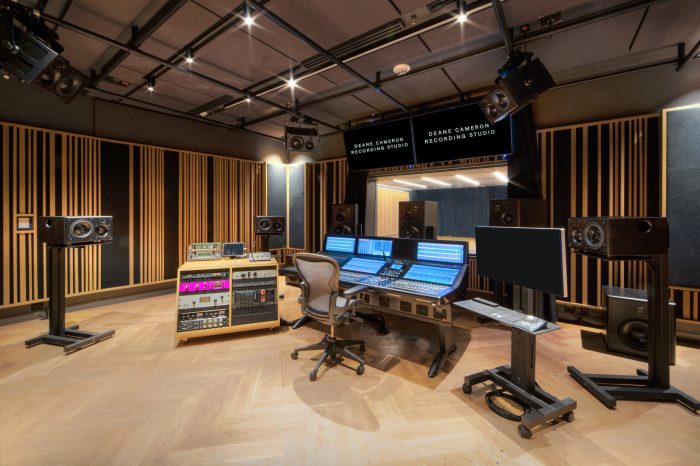
In conclusion, mastering the nuances of studio reference monitors is essential for any serious audio professional. Choosing the right monitors, understanding their impact on sound quality, and meticulously calibrating their setup are crucial steps. This comprehensive guide provides the insights needed to optimize your audio production workflow and ensure a consistently accurate sound.
