
String light timers offer a sophisticated way to enhance ambiance and convenience, from festive holiday displays to everyday illumination. This guide delves into the intricacies of string light timer settings, exploring various types, mechanisms, and crucial considerations for optimal performance and safety. Understanding the different power sources, setting methods, and potential troubleshooting steps is key to maximizing the value of these versatile lighting solutions.
From simple on/off timers to programmable sequences, this comprehensive guide unpacks the technical aspects of configuring these devices. The detailed exploration of accuracy, reliability, and energy efficiency ensures a thorough understanding of the practical implications for different applications.
Introduction to String Light Timers
String light timers are increasingly popular for their ability to automate the illumination of outdoor spaces and enhance aesthetic appeal. They provide a convenient and energy-efficient way to control the duration of string light illumination, often extending the enjoyment of festive or decorative lighting. Different types of timers cater to various needs and preferences, offering flexibility in controlling the lighting schedule.These timers are designed to seamlessly integrate with string lights, offering automated on/off cycles for precise timing and energy conservation.
The core functionality centers on a pre-programmed schedule that dictates the lighting’s operational cycle. Understanding the components and power sources is crucial for proper installation and usage. By understanding the mechanisms and functionalities, users can effectively leverage string light timers for optimal results.
String Light Timer Components
String light timers typically comprise a control unit, a timer mechanism, and an output circuit. The control unit houses the timer mechanism, which manages the timing sequence. The output circuit interfaces with the string lights, providing the electrical connection for illumination. The timer mechanism is the core element that dictates the precise timing of the light’s on and off cycles.
Power Sources for String Light Timers
String light timers can be powered by a variety of sources. The most common include standard household electrical outlets, which provide a consistent power supply. Alternatively, some timers utilize batteries, offering flexibility for use in locations without easy access to electrical outlets, such as gardens or outdoor events. Solar-powered timers are gaining popularity for their environmentally friendly operation.
These systems convert sunlight into electricity to power the timer and string lights, often offering long-lasting and maintenance-free operation.
Common Types of String Light Timmers
String light timers come in various configurations, catering to diverse needs. Some are simple on/off timers with fixed schedules, ideal for basic lighting needs. Others offer more advanced features, such as adjustable timing, multiple on/off cycles, and even programmable options. These more advanced models allow for greater control over the lighting schedule.
Applications and Common Uses
String light timers are versatile tools for various applications. They are commonly used to illuminate gardens, patios, and walkways, creating a welcoming ambiance. Businesses frequently employ them for festive displays and events. String light timers are also useful for illuminating pathways or entrances, increasing visibility and safety. They can be used in various applications to provide controlled and timed lighting for different purposes.
String Light Timer Specifications
| Timer Type | Power Source | Typical Duration |
|---|---|---|
| Simple On/Off | Mains Electricity | 4-8 hours |
| Programmable | Mains Electricity/Battery | Variable (e.g., 2 hours on, 2 hours off, 12-hour cycles) |
| Solar-Powered | Solar Panel | Variable (depending on sunlight exposure) |
Timer Setting Mechanisms
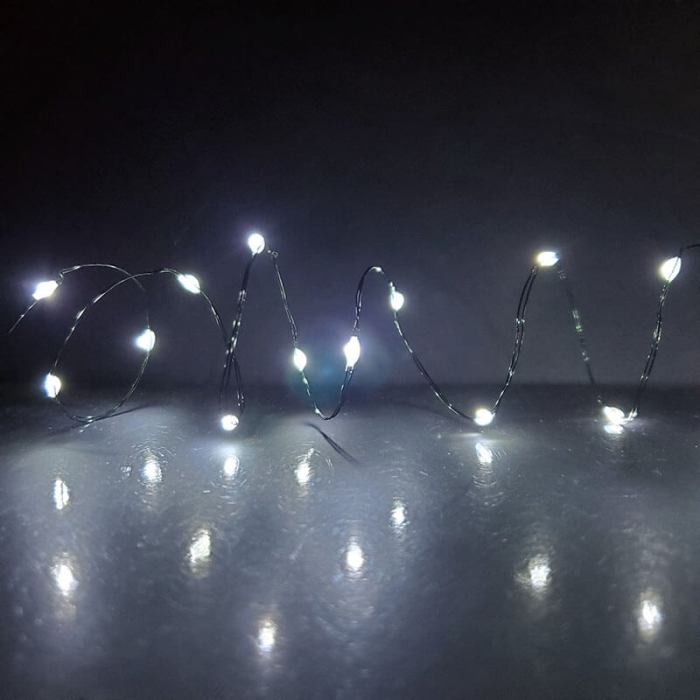
String light timers, increasingly popular for their aesthetic and convenience, offer a range of setting mechanisms. These mechanisms vary in complexity, impacting user experience and the overall appeal of the product. From simple button presses to sophisticated app interfaces, the method of setting the timer duration significantly influences how easily users can tailor their string light displays.
Methods for Setting Timer Duration
The primary methods used to set the timer duration for string lights encompass manual controls and digital interfaces. Manual controls often involve physical adjustments, while digital methods leverage user-friendly interfaces. The choice of method often hinges on the desired level of customization and control.
Timer Setting Interfaces
Various interfaces facilitate timer adjustments. These interfaces, from simple button configurations to sophisticated mobile applications, each provide a unique user experience. The ease of use and the range of customizable options vary significantly across different models.
Button and Dial Controls
Button-based controls, frequently found in simpler string light timers, allow for quick adjustments to the timer duration. These timers often have a limited number of preset options, but the simplicity of the interface makes them easy to operate. Dial controls, found in some models, offer a more nuanced approach, allowing for precise timer adjustments. The visual representation of the selected time often enhances the user experience, making the operation more intuitive.
App-Based Controls
Smart string light timers increasingly incorporate mobile applications for timer adjustments. These apps provide a wide range of features, including customizable timer durations, preset lighting sequences, and remote control functionality. The accessibility and flexibility of app-based controls are significant advantages, particularly for users who value a wide range of options. App integration allows for sophisticated lighting effects, synchronizing the timer with other smart home devices.
Range of Time Durations
The range of time durations string light timers can handle varies widely, depending on the model and the intended application. Basic timers might offer a limited selection of preset durations, while more advanced models can accommodate a wider spectrum of time settings, from a few minutes to several hours. Sophisticated models, often integrated with smart home systems, can even support timer adjustments that are dynamic and customizable based on user preferences.
Ease of Use Comparison
The ease of use varies significantly across different timer setting methods. Button and dial controls are generally the most straightforward, while app-based controls provide greater flexibility and customization. The user interface design greatly influences the overall ease of use, with intuitive interfaces significantly enhancing the user experience. Simple controls, like a single button for selecting pre-set durations, are easy for beginners, whereas app-based systems with multiple options might require a learning curve.
Table of Timer Setting Interfaces
| Interface Type | Features | Ease of Use | Customization |
|---|---|---|---|
| Button Controls | Pre-set durations, simple operation | High | Low |
| Dial Controls | Precise duration adjustments, visual feedback | Medium | Medium |
| App-Based Controls | Extensive customization, remote control, integration with smart home systems | Medium to High (depending on app design) | High |
Setting Timers for Specific Scenarios
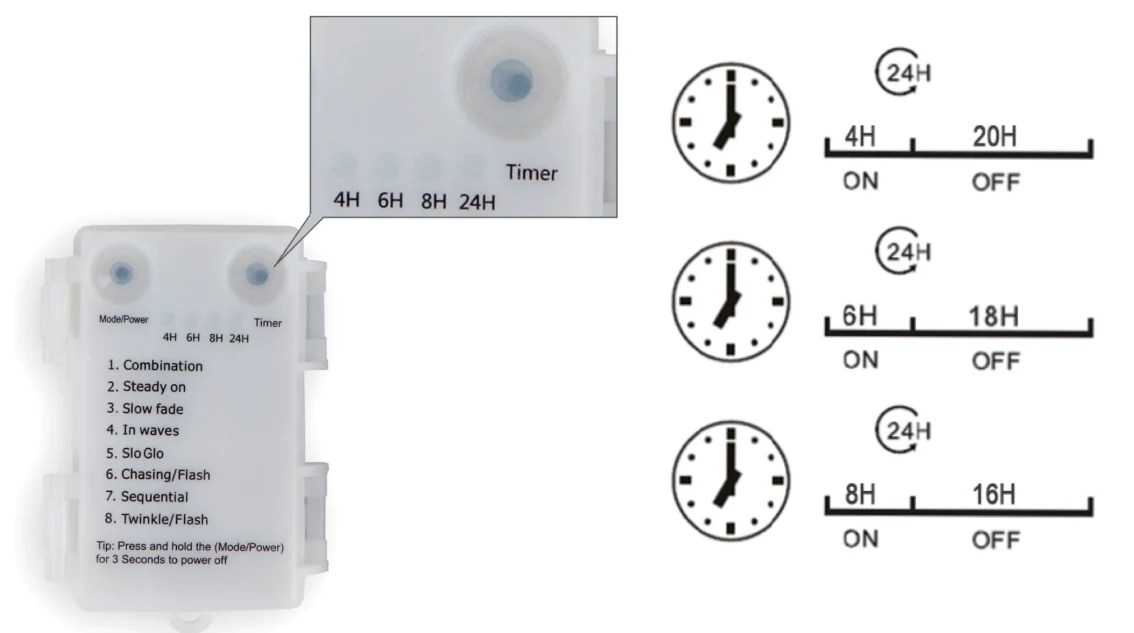
String light timers offer a flexible way to enhance various events and occasions. Properly configured timers can transform a simple string light display into a dynamic and captivating visual experience, perfectly synchronized with the desired ambiance. From festive holiday displays to extended outdoor gatherings, the right timer settings are key to achieving the desired effect.
Examples of Timer Settings for Various Events
Different events call for tailored timer settings. A simple 3-hour timer setting for a party can create a captivating ambiance, while a longer timer might be necessary for holiday decorations. Outdoor string lights, with their sensitivity to environmental conditions, require specific timer settings to prevent unexpected issues.
- Party Timers: A 3-hour timer setting for a party, for example, can provide a vibrant and lively atmosphere for a specific duration. This ensures that the lights are on for the entire party, and the timer automatically turns them off afterward. Similar settings can be employed for other events, with the duration adjusted accordingly.
- Holiday Displays: A timer setting designed for a holiday display needs to consider the desired lighting schedule. For example, a timer set to come on at dusk and turn off at midnight is ideal for a festive holiday display. This creates the desired atmosphere during the evening hours and ensures energy efficiency.
- Outdoor String Lights: Outdoor string lights require timers that account for weather conditions. For instance, a timer set to turn on automatically as the sun sets and turn off before dawn can prevent unexpected issues due to rain or other environmental factors.
Setting a Timer for a Specific Duration
To set a timer for a specific duration, like a 3-hour party, the user needs to identify the desired start and end times. This is usually done by adjusting the timer’s start and end parameters. For example, to set a timer for a 3-hour party, one might choose a starting time, and then set the timer to turn off three hours later.
Setting a Timer for a Festive Holiday Display
Setting a timer for a festive holiday display often involves scheduling the lights to come on at dusk and turn off at a designated time, such as midnight. The precise timing can be adjusted to optimize the duration and timing of the holiday lighting display, ensuring that it aligns with the desired festive ambiance.
Setting Timers for Outdoor String Lights
Outdoor string lights require timer settings that anticipate and accommodate potential environmental factors, such as rain or changing daylight hours. A timer set to turn on automatically as the sun sets and turn off before dawn can minimize the impact of weather and save energy.
Table of Timer Settings for Various Scenarios
| Scenario | Start Time | End Time | Duration | Notes |
|---|---|---|---|---|
| 3-Hour Party | 8:00 PM | 11:00 PM | 3 hours | Provides lighting for the entire party duration. |
| Holiday Display (Christmas) | Dusk | Midnight | Variable | Optimizes the festive ambiance and duration of the holiday display. |
| Outdoor String Lights (Seasonal) | Sunset | Sunrise | Variable | Adapts to changing daylight hours and prevents issues with rain or other weather conditions. |
Timer Accuracy and Reliability
String light timers, crucial for automated lighting, demand precision and dependability. Their accuracy directly impacts energy efficiency and the aesthetic experience. Inaccurate timers lead to wasted energy and inconsistent lighting patterns, potentially frustrating users. Understanding the factors influencing accuracy and reliability is key to choosing and using these devices effectively.
Accuracy of Different Timer Mechanisms
Various mechanisms underpin string light timers, each impacting accuracy. Mechanical timers, relying on gears and springs, are often less precise than electronic alternatives. Electronic timers, using microchips and oscillators, generally exhibit higher accuracy, particularly in controlling durations and frequency. Digital timers, with their advanced circuitry, offer the greatest precision. Furthermore, the complexity of the timer mechanism directly influences the potential for error accumulation over time.
Impact of Environmental Factors on Accuracy
Environmental conditions can significantly affect the accuracy of timers. Temperature fluctuations can alter the operation of electronic components, leading to inaccuracies in timing. Humidity levels, especially high humidity, can affect the reliability of components, including capacitors and integrated circuits, impacting the timer’s ability to function as intended. Extreme temperatures can also impact the accuracy of mechanical timers.
Troubleshooting Accuracy Issues
Troubleshooting accuracy issues in string light timers requires a systematic approach. First, check for loose connections or damaged components within the timer mechanism. Second, ensure the timer is properly calibrated and programmed. Third, verify the power supply is stable. Fourth, consider environmental conditions, particularly temperature and humidity, as these can influence accuracy.
If issues persist, consult the manufacturer’s troubleshooting guide or seek professional assistance.
Factors Contributing to Timer Reliability
Timer reliability is a function of several crucial elements. Quality components are paramount. Robust design and construction contribute significantly to reliability. Appropriate power supply and voltage regulation are vital. Furthermore, proper installation and usage procedures, including adhering to the manufacturer’s guidelines, enhance reliability.
A well-maintained timer, free from dust and debris, functions more reliably.
Comparison of Timer Types
| Timer Type | Accuracy | Reliability | Cost |
|---|---|---|---|
| Mechanical | Low | Moderate | Low |
| Electronic | Medium | High | Medium |
| Digital | High | High | High |
The table above provides a comparative overview of different timer types, considering their accuracy, reliability, and cost. The choice of timer type should align with the desired level of precision and budget. For applications demanding precise timing, digital timers are the superior choice. However, for simple applications, mechanical timers might suffice. Note that reliability is often correlated with cost.
Programming String Light Timers
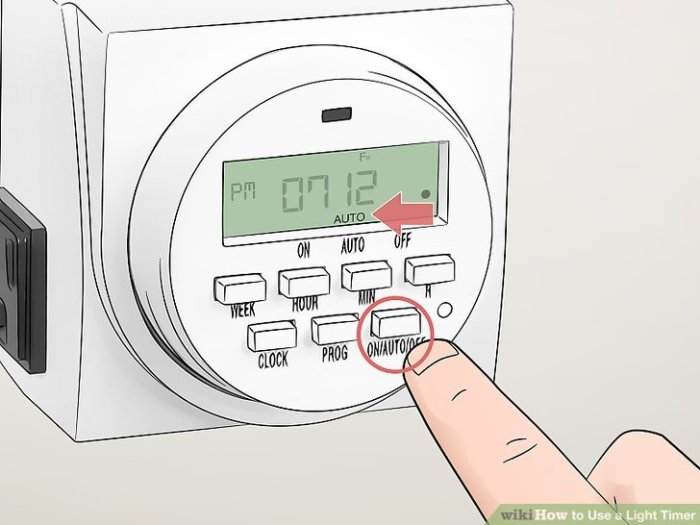
String light timers, especially programmable models, offer a wealth of customization options beyond simple on/off cycles. This flexibility allows users to create intricate lighting displays and dynamic sequences, transforming ordinary string lights into artistic expressions. Understanding the programming process is crucial for unlocking the full potential of these versatile devices.Programmable string light timers typically use a combination of buttons, menus, and displays to input settings.
Different models may employ various interfaces, requiring a specific understanding of the device’s manual. The programming process often involves setting the duration of each lighting phase, the transition speeds, and the order of color changes.
Programming Methods for Different Models
Different string light timer models employ varying programming methods. Some models utilize a simple sequence of button presses to input desired settings. Others incorporate digital displays and menus, providing more advanced control over the timing and sequences. These variations necessitate careful consideration of the specific model’s instruction manual for accurate programming.
Programmable Sequences and Patterns
Programmable string lights enable a wide array of lighting sequences. Basic sequences might include a simple on/off cycle, while more sophisticated timers can create intricate patterns like fading transitions between colors, or flashing sequences. Users can tailor these sequences to suit their preferences, from creating a festive atmosphere for holidays to enhancing a home’s ambiance with subtle color transitions.
Examples of complex sequences include:
- Color Cycle: The timer cycles through a predefined sequence of colors (e.g., red, green, blue, white) at a specific speed.
- Fading Transitions: Colors gradually transition from one to another, creating smooth and visually appealing effects.
- Flashing Patterns: Rapid on/off cycles or alternating patterns of light and dark can create striking visual effects.
- Custom Sequences: Users can create their own sequences by defining specific timing for different colors and patterns.
Timer Modes and Functionality
String light timers often feature various modes, each with specific functionalities. These modes are designed to offer flexibility in creating desired lighting effects.
- On/Off Mode: This is the most basic mode, allowing the timer to switch the string lights on and off at predetermined intervals.
- Fading Mode: This mode allows for smooth transitions between different colors, creating a soft and appealing lighting experience.
- Flashing Mode: Rapid on/off cycles, or other specific patterns, produce a flashing effect.
- Preset Patterns: Many models include preset patterns for specific occasions (e.g., Christmas, parties). These presets often include pre-programmed sequences of color changes and lighting patterns.
Programming Steps (Example)
The following table provides a general example of programming steps for a typical programmable string light timer. Specific steps may vary depending on the model.
| Step | Action |
|---|---|
| 1 | Power on the timer and navigate to the programming menu. |
| 2 | Select the desired sequence mode (e.g., color cycle, fading). |
| 3 | Input the duration for each lighting phase (e.g., 1 second on, 2 seconds off). |
| 4 | Select the desired colors for the sequence. |
| 5 | Adjust transition speed, if applicable. |
| 6 | Save the programmed sequence. |
| 7 | Verify the programmed sequence. |
Troubleshooting Common Issues
String light timers, while offering convenience, can sometimes malfunction. Understanding the potential problems and their solutions is crucial for maintaining a flawless holiday display or ensuring consistent lighting schedules. This section details common issues and their effective resolution strategies.Troubleshooting string light timers involves a systematic approach, focusing on identifying the root cause of the problem before implementing a solution.
A methodical checklist, as Artikeld below, streamlines the process and ensures a swift return to operational functionality.
Identifying Power Issues
Power problems are a frequent source of string light timer malfunctions. A lack of power or a faulty power connection can prevent the timer from functioning correctly.
- Verify the power source is operational. Ensure the electrical outlet is receiving power by testing it with another appliance. If the outlet is faulty, replace it or contact an electrician. For timers plugged into extension cords, confirm the cord’s integrity and sufficient amperage capacity to handle the load.
- Check the timer’s power cord and plug. Look for any damage, such as frayed wires or loose connections. A faulty plug or a damaged cord can prevent power from reaching the timer. Replace the cord or plug if necessary.
- Examine the timer’s internal circuitry. If possible, open the timer casing cautiously. Inspect for any visible damage, loose connections, or burned components. Consult the manufacturer’s instructions for specific details.
Addressing Timing Discrepancies
Incorrect timing can be a frustrating aspect of using string light timers. Misaligned settings or faulty internal mechanisms can result in premature or delayed activation.
- Review the timer’s settings. Double-check that the pre-programmed start and stop times accurately reflect the desired schedule. Ensure the timer is set to the correct day of the week or time zone if applicable.
- Verify the timer’s internal clock. If the timing is inconsistent, check if the internal clock is malfunctioning. Modern timers typically have a battery backup, ensuring accurate timekeeping even during power outages. However, if the battery is depleted, replace it.
- Examine the timer’s mechanism. If the problem persists, inspect the internal mechanism for any obstructions or parts that might be interfering with the timer’s function. Consult the user manual for guidance on disassembling the timer and inspecting its components.
Troubleshooting Non-Activation
String light timers might fail to turn on for various reasons, including faulty wiring or damaged components.
- Inspect the wiring connections. Ensure all connections within the timer, between the timer and the string lights, and between the lights themselves are secure and undamaged. Look for any loose wires or corroded connections.
- Check the string lights for damage. Faulty string lights can prevent the timer from activating. Inspect each bulb and wire connection for any breaks, shorts, or loose connections.
- Ensure the string lights are compatible with the timer. Different string light timers may have different voltage requirements. Using incompatible lights can cause the timer to fail to function. Check the specifications of both the timer and the lights to ensure compatibility.
Common Issues and Troubleshooting Steps
| Issue | Troubleshooting Steps |
|---|---|
| String lights not turning on | Check power source, inspect wiring, and examine string lights for damage. |
| Incorrect timing | Review settings, verify the clock, and examine the timer’s mechanism for obstructions. |
| Timer not functioning at all | Check power source, inspect wiring connections, and ensure the timer and string lights are compatible. |
Energy Efficiency and String Light Timers
String light timers, while convenient, can significantly impact energy consumption. Understanding the energy footprint of these devices and their various settings is crucial for maximizing efficiency and minimizing environmental impact. Choosing the right timer type and utilizing energy-saving strategies can lead to substantial cost savings over time.
Energy Consumption of String Light Timers
String light timers consume energy even when the lights are off. This “standby power” varies considerably based on the timer’s design and the specific components used. Electronic timers, often more sophisticated, tend to draw more standby power compared to simpler mechanical timers. This seemingly small amount of energy adds up over time, particularly for extended use.
Comparison of Timer Types
Different timer types exhibit varying levels of energy efficiency. Mechanical timers, relying on gears and springs, generally have a lower standby power consumption than their electronic counterparts. Electronic timers, while offering more features like programmable schedules and advanced functions, often draw more power in standby mode. The difference can be substantial, particularly in settings where the lights are off for extended periods.
Ways to Reduce Energy Usage
Several strategies can minimize energy consumption when using string light timers. Choosing timers with low standby power is crucial. Utilizing timers with programmable features, allowing lights to be off during non-use periods, is also effective. Ensuring the timer is properly installed and free of loose connections is equally important to avoid unnecessary energy drain. Replacing incandescent string lights with LED options can further reduce energy consumption.
Impact of Timer Settings on Energy Consumption
The specific timer settings significantly influence energy usage. Timers programmed for longer on-times will, naturally, consume more energy. Conversely, shorter on-times or timed off periods reduce energy consumption substantially. Regularly reviewing and adjusting settings according to usage patterns can lead to significant savings.
Table Comparing Energy Efficiency of Different Timer Settings
| Timer Setting | Estimated Energy Consumption (kWh/month) | Description |
|---|---|---|
| Continuous On | High (e.g., 20 kWh/month) | Lights remain on continuously. |
| Programmable On/Off (3 hours on, 21 hours off) | Moderate (e.g., 5 kWh/month) | Lights are on for 3 hours and off for 21 hours, following a set schedule. |
| Programmable On/Off (1 hour on, 23 hours off) | Low (e.g., 2 kWh/month) | Lights are on for 1 hour and off for 23 hours, following a set schedule. |
Note: Estimated energy consumption values are approximate and vary based on specific string light wattage and timer type.
Safety Considerations

String light timers, while convenient, introduce potential hazards if not handled with care. Proper understanding of safety precautions and appropriate usage in various environments is crucial for avoiding accidents and ensuring the longevity of the timer and connected lights. Misconfigured settings can lead to significant risks, emphasizing the importance of meticulous setup and regular maintenance.
Essential Safety Precautions
String light timers, like any electrical device, require adherence to safety guidelines. Improper use can lead to fire hazards, electrical shocks, or damage to the lights themselves. Ensuring the timer is compatible with the string lights and the surrounding environment is paramount.
- Compatibility Checks: Verify the string light timer’s specifications match the wattage and amperage of the string lights. Using a timer exceeding the light’s capacity can lead to overheating and potential fire. Using an incompatible timer can cause the lights to malfunction or burn out prematurely.
- Outdoor Use Considerations: Outdoor timers must be weatherproof to prevent water damage and electrical malfunction. Ensure the timer is rated for outdoor use and is properly installed to withstand harsh weather conditions.
- Proximity to Water: Timers should never be used near water sources like pools, fountains, or even damp basements. Water and electricity are a dangerous combination, potentially leading to short circuits and electrical shocks.
Potential Hazards of Incorrect Timer Settings
Incorrect timer settings can create significant safety risks. Overloading the circuit, for instance, can lead to overheating and potential fire hazards. Setting the timer to operate for an excessively long duration can cause the lights to overheat and fail.
- Overloading Circuits: Connecting too many string lights to a single timer can overload the circuit, potentially causing a fire hazard. This is crucial to understand, as it can lead to unexpected issues.
- Prolonged Operation: Setting the timer for extended operation without appropriate breaks can lead to overheating and damage to the string lights. Regular breaks during operation are recommended for optimal performance and safety.
Importance of Regular Maintenance
Regular inspection and maintenance are vital for preventing potential hazards. Checking for damaged wiring, loose connections, and signs of overheating can prevent accidents and extend the lifespan of the string lights and timer.
- Visual Inspection: Regularly inspect the wiring, connections, and the timer itself for any signs of damage, such as frayed wires, cracks, or overheating. This simple precaution can save from significant issues.
- Cleaning: Cleaning the exterior of the timer, particularly if used outdoors, helps prevent dust and debris accumulation, which can contribute to overheating and malfunctions. This is important for longevity.
Safety Precautions Table
| Scenario | Safety Precautions |
|---|---|
| Indoor Use | Ensure compatibility with the string lights. Avoid placing the timer near flammable materials. |
| Outdoor Use | Use a weatherproof timer. Protect the timer from direct exposure to moisture. |
| Near Water | Never use the timer near water sources. Avoid damp locations. |
| Incorrect Settings | Avoid overloading the circuit. Do not operate for excessively long periods. |
Maintenance and Longevity
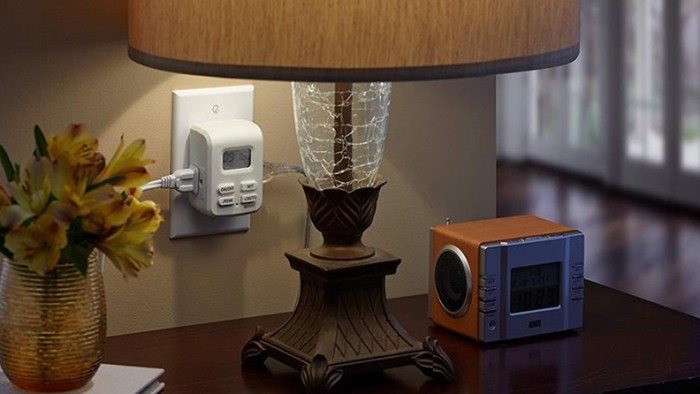
String light timers, while offering convenience and aesthetic appeal, require proper care to ensure longevity and reliable operation. Neglecting maintenance can lead to premature failure, impacting both the timer’s functionality and the overall enjoyment of the illuminated display. This section details crucial maintenance steps and strategies for maximizing the lifespan of these devices.
Proper Maintenance Procedures
Regular cleaning and inspection are essential for maintaining optimal performance and extending the life of string light timers. Dust, debris, and moisture accumulation can significantly impact the timer’s internal components. Thorough cleaning with a soft, dry cloth can prevent these issues. For more stubborn dirt or grime, a mild detergent solution can be used, but ensure the timer is completely dry before reinstallation.
Inspecting the wiring for any signs of damage, fraying, or kinking is also critical.
Extending Lifespan
Several strategies can help maximize the lifespan of string light timers. Regular maintenance, as Artikeld previously, is paramount. Avoiding exposure to harsh weather conditions, such as prolonged periods of intense sunlight or heavy rain, can help prevent premature degradation. Choosing a suitable storage location, shielded from humidity and extreme temperatures, is also crucial. This often includes a cool, dry place, away from direct sunlight.
Following the manufacturer’s instructions for usage and storage is critical for maintaining the warranty and avoiding potential damage.
Impact of Improper Storage
Improper storage can significantly shorten the lifespan of string light timers. Exposure to excessive moisture, extreme temperatures, or direct sunlight can lead to corrosion, component failure, and reduced functionality. Storing the timer in a damp environment can lead to rust and electrical short circuits, which could lead to malfunctions. A location that maintains a consistent temperature and humidity level is critical.
For instance, storing the timer in a garage during the winter months, exposed to fluctuating temperatures, can drastically reduce its longevity.
Regular Checks
Regular checks are essential for proactive maintenance and issue identification. These checks should include inspecting the power cord, connections, and the overall physical condition of the timer. Look for any signs of damage, wear, or discoloration. Regularly testing the timer’s functionality can identify potential problems before they escalate. Checking for proper operation of the timer’s functions, such as the light output and timing mechanism, can ensure the timer is functioning as intended.
Maintenance Tips by Model
| Model | Cleaning | Storage | Checks |
|---|---|---|---|
| Model A | Wipe with a soft, dry cloth. | Cool, dry place, away from direct sunlight. | Inspect wiring for damage, test function. |
| Model B | Use a mild detergent solution (if needed), then dry thoroughly. | Sealed container in a dry cabinet. | Check for loose connections, verify timing accuracy. |
| Model C | Wipe with a damp cloth, then dry thoroughly. | Air-tight container in a cool, dry location. | Inspect battery compartment, verify timer function. |
Concluding Remarks
In conclusion, string light timer settings are crucial for achieving the desired lighting effects and ensuring optimal energy efficiency. This guide has explored the technical intricacies of these settings, from basic functionalities to advanced programming options. By considering factors like accuracy, reliability, and safety, users can leverage these timers to create a vibrant and well-managed lighting experience. The provided insights empower users to make informed choices and troubleshoot any potential issues.
