
Sharp atomic clocks, the ultimate timekeepers, are revolutionizing precision measurement across industries. Their unparalleled accuracy, derived from the fundamental properties of atoms, allows for unprecedented levels of timekeeping, surpassing even the most advanced traditional methods. From navigation systems to scientific research, these devices are reshaping our understanding of time and its application in modern technology.
These cutting-edge instruments rely on the precise quantum transitions within atoms, creating a remarkably stable and consistent reference for measuring time. This remarkable precision allows for applications in fields that demand extreme accuracy, like global positioning systems (GPS) and high-frequency communication.
Defining Sharp Atomic Clocks
Atomic clocks, renowned for their unparalleled precision, are now evolving into even more refined versions known as “sharp atomic clocks.” These advancements represent a significant leap in timekeeping technology, pushing the boundaries of accuracy and opening doors to new scientific discoveries and technological applications. Their exceptional precision allows for the detection of subtle changes in the universe, revolutionizing fields from fundamental physics to navigation.Sharp atomic clocks distinguish themselves from traditional atomic clocks by their enhanced stability and accuracy.
This heightened precision stems from sophisticated techniques and materials, enabling them to measure time with a level of accuracy previously unattainable. The fundamental principle of atomic clocks relies on the precise and predictable oscillations of atoms. Quantum mechanics plays a crucial role in these oscillations, as the behavior of atoms is governed by the rules of quantum physics.
This intricate interplay between quantum mechanics and the predictable atomic oscillations is what underlies the exceptional accuracy of sharp atomic clocks.
Characteristics of Sharp Atomic Clocks
Sharp atomic clocks are characterized by exceptional stability, a hallmark of their advanced technology. This stability is the result of several factors, including the use of highly controlled environments to minimize external disturbances, specialized materials that reduce noise, and sophisticated signal processing techniques to refine the measurement of atomic oscillations. These elements, when combined, result in an extraordinary level of precision.
Underlying Principles of Atomic Clocks
Atomic clocks operate on the principle of measuring the frequency of electromagnetic radiation emitted or absorbed by atoms as they transition between energy levels. This frequency is incredibly stable and predictable, allowing for the precise measurement of time. A critical aspect of this mechanism is the quantized nature of energy levels in atoms, which is a core concept in quantum mechanics.
These transitions occur at specific, predictable frequencies, making them ideal for timekeeping.
The fundamental equation underlying atomic clocks is based on the relationship between frequency, energy, and Planck’s constant.
Quantum Mechanics in Atomic Clocks
Quantum mechanics is essential to understanding how atomic clocks function. Quantum mechanics describes the behavior of matter at the atomic and subatomic level, revealing the discrete nature of energy levels in atoms. These discrete energy levels allow for the precise measurement of time, as transitions between them occur at specific, predictable frequencies. The stability and accuracy of sharp atomic clocks are directly linked to our understanding of quantum mechanics and the behavior of atoms at the quantum level.
Comparison of Clock Types
| Clock Type | Principle | Accuracy | Applications |
|---|---|---|---|
| Sharp Atomic Clock | Precise measurement of atomic oscillations, leveraging quantum mechanical principles. | Extremely high, often exceeding 1 part in 1018. | Fundamental physics research, high-precision navigation, and advanced timekeeping. |
| Traditional Atomic Clock | Measurement of transitions between energy levels in atoms. | High, typically 1 part in 1013 to 1015. | Timekeeping, precise timing in scientific experiments, and telecommunications. |
| Quartz Clock | Oscillations of a quartz crystal. | Lower, typically 1 part in 107 to 109. | General-purpose timekeeping in everyday devices. |
Historical Development
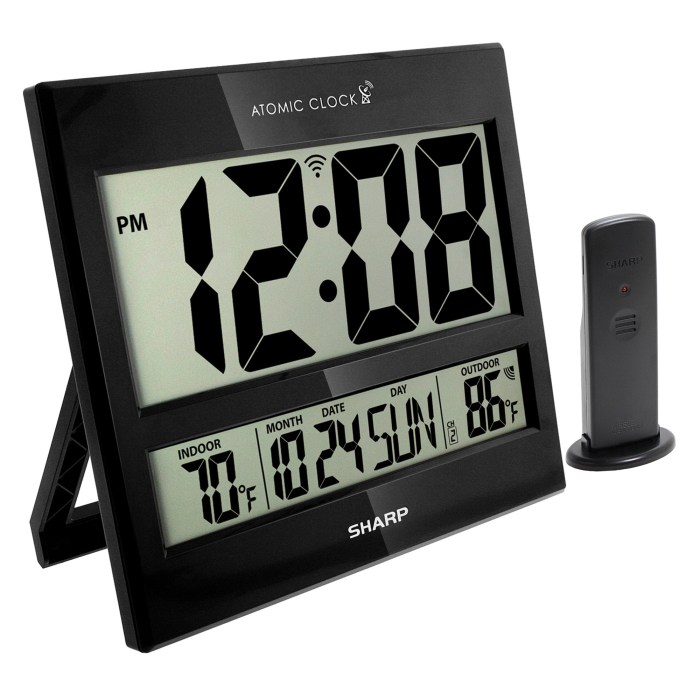
Atomic clocks, the ultimate precision timekeepers, have undergone a remarkable evolution, driven by advancements in physics and engineering. Their journey from rudimentary devices to the ultra-precise instruments of today reflects a continuous quest for more accurate measurement of time. This development is crucial for numerous applications, from satellite navigation to fundamental physics research.The quest for increasingly precise timekeeping has been a driving force behind technological innovations.
Early atomic clocks, while groundbreaking, were significantly less accurate than their modern counterparts. Their limitations stemmed from the technologies available at the time. This historical progression reveals a fascinating interplay between scientific discovery and technological advancement.
Early Atomic Clocks
The concept of using atomic transitions for precise timekeeping emerged in the mid-20th century. Early designs focused on measuring the frequency of oscillations in cesium atoms. These initial attempts, though pioneering, were hampered by limitations in controlling the atomic environment and achieving sufficient isolation from external disturbances. These limitations impacted the accuracy and stability of the early models.
Technological Advancements
The development of atomic clocks was intertwined with the evolution of various technologies. Crucial improvements included the refinement of vacuum systems to minimize external disturbances, the development of more stable and reliable oscillators, and the design of sophisticated electronic components to control and measure atomic transitions. These advancements contributed to a significant increase in accuracy and precision over time.
Timeline of Key Advancements
- 1949: The first atomic clock, based on ammonia, was developed. This milestone marked the beginning of the era of atomic timekeeping. While less precise than later designs, it demonstrated the feasibility of using atomic transitions for timekeeping.
- 1955: The first cesium beam atomic clock was built. This represented a significant leap forward in accuracy, paving the way for more advanced models. The transition to cesium marked a turning point, as cesium’s hyperfine transitions proved more stable and reliable than other atomic species.
- 1967: The International Bureau of Weights and Measures (BIPM) defined the second based on the hyperfine transition frequency of the cesium-133 atom. This standardization solidified atomic clocks as the global standard for timekeeping. This standard laid the foundation for global time synchronization.
- 1980s-present: Further advancements included the development of laser-cooled atomic clocks, optical atomic clocks, and chip-scale atomic clocks. These innovations led to unprecedented levels of precision and opened up new applications for timekeeping.
Precision and Accuracy Comparison
Early atomic clocks, while revolutionary, exhibited lower precision and accuracy compared to modern models. The inherent limitations in controlling the atomic environment, as well as the technological constraints of the era, contributed to the discrepancies. Modern clocks overcome these limitations, achieving levels of accuracy and precision that were previously unimaginable. For example, modern atomic clocks are used to calibrate other timekeeping instruments, and they are crucial for global positioning systems (GPS).
Types of Atomic Clocks and Their Eras
| Type of Atomic Clock | Approximate Era of Development |
|---|---|
| Ammonia | Early 1950s |
| Cesium Beam | Mid-1950s |
| Cesium Fountain | Late 1980s |
| Optical Lattice | Late 1990s – Present |
| Chip-Scale | Early 2000s – Present |
Fundamental Mechanisms
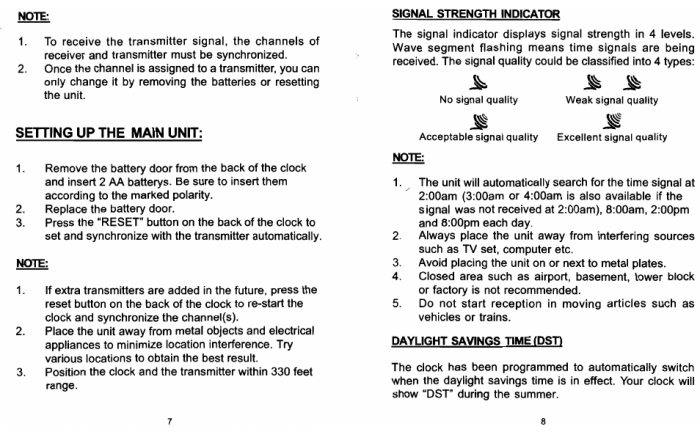
Atomic clocks, precision instruments of timekeeping, rely on the fundamental properties of atoms to achieve their extraordinary accuracy. These clocks leverage the predictable and quantized nature of atomic energy levels, enabling incredibly precise measurements of time intervals. Understanding the underlying mechanisms is crucial for appreciating the technology’s remarkable potential and limitations.The cornerstone of atomic timekeeping is the quantized energy levels within atoms.
Electrons orbit the nucleus at specific energy levels, and transitions between these levels are associated with the absorption or emission of precise amounts of energy, in the form of photons. These energy exchanges are consistent and repeatable, forming the basis for incredibly precise timekeeping.
Atomic Energy Levels and Transitions
Atoms possess discrete energy levels, analogous to the rungs of a ladder. Electrons can only exist in these specific energy states. Transitions between these levels involve the absorption or emission of photons with energies corresponding to the difference between the energy levels. This principle forms the bedrock of atomic clocks, enabling highly precise measurements of time intervals.
Energy Absorption and Emission
Atoms absorb energy when an electron transitions to a higher energy level. This process requires a photon with precisely the energy difference between the initial and final states. Conversely, when an electron transitions to a lower energy level, the atom emits a photon with the same energy. The precise frequency of these photons is a hallmark of the specific atom, making it a reliable indicator of time.
These transitions are not random; they are governed by quantum mechanics, ensuring the predictability and consistency essential for precise timekeeping.
Isolation and Control of Atoms
Precise control over individual atoms is critical for high-performance atomic clocks. Sophisticated techniques are employed to isolate atoms from external disturbances. These disturbances, such as magnetic fields or collisions with other particles, can affect the accuracy of the clock. Laser cooling and trapping techniques are employed to slow and confine atoms, minimizing these interactions. This isolation allows for highly precise measurements of the atomic transitions, ensuring the clock’s exceptional accuracy.
Trapping atoms in vacuum chambers or using optical lattices allows for even greater control and reduces disturbance from the surrounding environment.
Types of Atoms Used in Atomic Clocks
| Atom | Advantages | Disadvantages |
|---|---|---|
| Cesium-133 | Excellent stability and reproducibility, widely used standard. | Relatively large size, can be challenging to cool and trap effectively. |
| Rubidium-87 | Relatively inexpensive, good performance, widely available. | Lower accuracy compared to cesium, susceptible to environmental noise. |
| Ytterbium-171 | High accuracy, long coherence times, allows for ultra-stable operation. | Requires sophisticated cooling and trapping methods, not as readily available as other options. |
| Hydrogen | Excellent stability, naturally occurring isotope. | Can be challenging to control in a confined space, higher sensitivity to magnetic fields. |
The choice of atom in an atomic clock depends on the specific application and desired level of accuracy. Different atoms exhibit different properties, impacting their suitability for precise timekeeping. Factors such as the ease of cooling and trapping, the stability of the energy levels, and the availability of the isotope play a significant role in the selection process.
Precision and Accuracy
Atomic clocks, while fundamentally precise, aren’t immune to errors. Achieving the ultimate in timekeeping hinges on minimizing these imperfections, a constant challenge in the quest for ever-more accurate timekeeping. The quest for perfect timekeeping is not just a scientific pursuit; it’s vital for global positioning systems, financial transactions, and scientific research.The accuracy of an atomic clock is influenced by a multitude of factors, ranging from the inherent limitations of the quantum world to the mechanical imperfections of the device itself.
These factors necessitate sophisticated error mitigation strategies to ensure the highest possible precision.
Factors Influencing Accuracy
Various factors impact the accuracy of atomic clocks. Environmental conditions, such as temperature fluctuations and vibrations, can introduce minute but measurable errors. The stability of the vacuum environment surrounding the atoms is critical, as external electromagnetic fields can subtly shift the energy levels of the atoms, affecting their oscillation rate. Additionally, the materials used in the clock’s construction and the design of its components also contribute to the overall accuracy.
Methods for Minimizing Errors
Several methods are employed to minimize errors in atomic clocks. Shielding the atomic ensemble from external electromagnetic fields is crucial, often achieved using sophisticated Faraday cages. Maintaining a stable temperature is paramount; precise temperature control systems are essential for maintaining the clock’s accuracy. Sophisticated vibration isolation systems further reduce the impact of external disturbances. Sophisticated signal processing techniques are employed to analyze and filter out any residual errors.
Precision Comparison of Atomic Clock Designs
Different atomic clock designs exhibit varying levels of precision. Cesium beam clocks, a traditional standard, offer high precision but are often less compact and require more resources. Optical atomic clocks, leveraging the frequencies of light, are known for their exceptional precision, potentially surpassing the performance of other types. Quantum logic clocks, relying on controlled quantum interactions, hold the potential for even greater accuracy in the future.
The trade-offs between size, cost, and precision are significant considerations in choosing a clock design for a particular application.
Atomic Clock Types, Precision, and Applications
| Clock Type | Typical Precision (per day) | Typical Applications |
|---|---|---|
| Cesium Beam | 10-12 | Time standards, GPS systems, scientific research |
| Optical Lattice | 10-18 | Fundamental physics research, high-precision metrology |
| Quantum Logic | 10-18 to 10-20 | High-precision measurements, fundamental physics research, tests of fundamental laws of physics |
The table above provides a snapshot of different atomic clock types, their achievable precision levels, and common applications. The precision figures represent the expected accuracy over a given time period. The potential for greater precision with emerging technologies like quantum logic clocks is particularly exciting for applications demanding unprecedented accuracy.
Limitations in Achieving Perfect Accuracy
Despite advancements, limitations persist in achieving perfect accuracy in atomic clocks. Quantum fluctuations inherent in the quantum world introduce unavoidable noise, placing a fundamental limit on the achievable precision. The complexity of maintaining extremely stable environments, especially at the level of individual atoms, remains a considerable challenge. Furthermore, the continuous development of more sophisticated clock designs and improved materials is vital to push the boundaries of precision in the future.
Applications and Impact
Sharp atomic clocks, with their unprecedented precision, are revolutionizing numerous fields, from fundamental science to everyday technology. Their ability to maintain time with an accuracy far surpassing traditional methods unlocks a world of possibilities, enabling advancements in navigation, communication, and scientific research. These clocks, acting as the ultimate timekeepers, are becoming indispensable tools in the modern technological landscape.The impact of sharp atomic clocks extends beyond the realm of pure timekeeping.
Their high accuracy is critical for numerous applications, from ensuring precise timing in global positioning systems to enabling sophisticated experiments in fundamental physics. This precision allows for previously unimaginable levels of synchronization and coordination, driving innovation across diverse sectors.
Navigation Systems
Atomic clocks are fundamental to the operation of global navigation satellite systems (GNSS), like GPS. The precise time signals from these satellites, precisely measured by atomic clocks on the ground and in the satellites, are critical for determining location. Without this level of precision, the accuracy of GPS would be severely compromised. These signals, precisely timed, allow for calculations of distances and positions, enabling a multitude of applications, from tracking vehicles to enabling precise agriculture.
Communication Technologies
The synchronization capabilities of atomic clocks are crucial for high-bandwidth communication systems. The ability to maintain precise timing across vast distances is essential for transmitting data with minimal error. This synchronization is vital for technologies like cellular networks, internet protocols, and other systems requiring synchronized data transmission. The intricate timing mechanisms enabled by atomic clocks are a cornerstone of modern communication infrastructure.
Scientific Research
Atomic clocks play a pivotal role in scientific research, particularly in areas like fundamental physics and astronomy. Their unparalleled accuracy allows scientists to conduct experiments with greater precision, probing the fundamental laws of nature. For example, experiments involving the testing of Einstein’s theories of relativity benefit from the highly stable timekeeping offered by atomic clocks. The high precision allows scientists to detect subtle changes in time, offering new insights into the universe.
Timekeeping in Other Technologies
Atomic clocks find use in a diverse array of applications beyond navigation and communication. For example, they are essential in high-frequency trading, where millisecond precision is critical for financial transactions. They are also used in metrology, ensuring the accuracy of various measurement systems. The consistent timekeeping from atomic clocks ensures the reliability of numerous systems, including those used in financial markets, scientific research, and many other fields.
Table of Atomic Clock Applications
| Application Area | Specific Example |
|---|---|
| Navigation | GPS systems for precise location determination |
| Communication | Synchronization of high-bandwidth communication networks |
| Scientific Research | Experiments in fundamental physics, testing relativistic effects |
| Metrology | Calibration of measurement instruments for extreme precision |
| High-Frequency Trading | Enabling extremely fast financial transactions |
Technological Advancements
Atomic clocks, the ultimate timekeepers, are undergoing a revolution driven by advancements in materials science, laser technology, and quantum mechanics. These innovations promise to further refine the accuracy and precision of these devices, opening doors to applications in GPS, navigation, and fundamental physics research. This push for enhanced performance hinges on the meticulous control of quantum phenomena, leading to a more precise and reliable understanding of time itself.
Recent Advancements in Clock Technology
Recent research has focused on pushing the boundaries of atomic clock precision. This includes exploring new materials and techniques to enhance the stability and coherence of atomic transitions, the fundamental mechanisms that underpin these devices. The pursuit of ever-smaller and more controlled systems is crucial for reaching unprecedented accuracy. Scientists are actively exploring novel approaches to minimize external perturbations and further refine the quantum states of atoms, which directly impacts the accuracy of the clock.
Innovative Methods for Enhanced Accuracy and Precision
Several innovative methods are being explored to improve the accuracy and precision of atomic clocks. These methods include employing advanced laser cooling techniques to reduce the thermal noise in the atomic systems, thereby minimizing the fluctuations in the atomic transitions. The development of novel optical lattices and trapping methods allows for tighter control over atomic motion and interactions, leading to more stable and reliable measurements.
Furthermore, quantum sensors are being integrated into atomic clocks to measure minute changes in the environment, such as gravity fluctuations or magnetic fields, which can impact the accuracy of the clocks.
New Materials and Techniques
The exploration of new materials and techniques is at the heart of these advancements. One example is the use of strontium, known for its exceptionally narrow atomic transitions, which lead to significantly higher precision in clock measurements. New laser systems with increased stability and tunability are crucial for manipulating atoms with greater precision. These advancements in materials and techniques are not merely incremental improvements; they represent fundamental shifts in how we design and build these devices.
Impact on Atomic Clock Design and Functionality
These advancements significantly impact the design and functionality of atomic clocks. Smaller, more compact designs are possible due to the miniaturization of lasers and other components. The incorporation of quantum sensors allows for the integration of environmental data into the clock’s measurements, creating a more robust and versatile device. Furthermore, the use of novel materials and techniques often leads to a decrease in power consumption, making these devices more practical for various applications.
Comparison of Current and Future Generations of Atomic Clocks
| Feature | Current Generation | Future Generation ||—|—|—|| Material | Cesium, Rubidium | Strontium, Ytterbium, Mercury || Accuracy | 10 -14 | 10 -18 to 10 -20 || Size | Relatively large | Miniaturized || Power Consumption | Higher | Lower || Cost | Higher | Potentially Lower || Stability | Good | Excellent || Applications | GPS, timekeeping | Advanced navigation, fundamental physics |
Challenges and Future Directions

Atomic clocks, while marvels of precision, face ongoing challenges in their quest for ever-greater accuracy and utility. Maintaining the exquisite stability needed for advanced applications requires meticulous control over environmental factors, a constant struggle against the very forces that govern the universe. The pursuit of miniaturization and cost-effective production is also paramount, as is the exploration of novel materials and mechanisms for even higher precision.
Current Challenges in Maintaining and Improving Sharp Atomic Clocks
Maintaining the ultra-stable environments required for atomic clocks is a significant hurdle. Fluctuations in temperature, pressure, and magnetic fields can introduce minute errors, degrading the clock’s precision. Controlling these variables necessitates sophisticated and often expensive shielding and stabilization systems. Furthermore, the inherent limitations of the materials used in the clock’s construction contribute to systematic errors. Finding materials with superior stability over time and in extreme conditions is a critical ongoing research area.
Potential Future Developments and Research Areas in Atomic Clock Technology
Researchers are exploring innovative approaches to enhance atomic clock performance. These include investigating novel atomic species, such as neutral atoms, which offer the potential for even higher accuracy and stability. New cooling and trapping techniques, leveraging laser technology, promise to create more stable and controlled environments for the atoms, leading to improved accuracy. Developing novel optical frequency standards, coupled with advancements in laser technology, may lead to significant performance enhancements.
Potential for Further Miniaturization of Atomic Clocks
Miniaturization of atomic clocks is a key area of research. Smaller, more portable clocks have a wide range of applications, from personal navigation to high-precision timing for scientific experiments. The challenge lies in integrating the complex components of a high-precision atomic clock into a compact and power-efficient package. Advances in microfabrication and integrated circuit design will be crucial in achieving this goal.
The miniaturization of existing technologies, such as lasers and sensors, will be vital for the development of smaller, more powerful atomic clocks.
Potential Applications of Improved Atomic Clock Technology
The applications of enhanced atomic clock technology are extensive and rapidly expanding. Improved timekeeping accuracy will revolutionize GPS technology, allowing for more precise location determination and timing synchronization across vast distances. Furthermore, applications in fundamental physics research, such as measuring gravitational waves and testing the limits of relativity, will be greatly enhanced. Sophisticated timekeeping is essential for high-frequency communication systems and advanced data centers, requiring incredibly accurate synchronization.
Table of Potential Future Improvements and Challenges in the Field
| Potential Improvement | Challenges |
|---|---|
| Development of novel atomic species for higher accuracy | Identifying and isolating suitable atomic species with minimal environmental sensitivities |
| Improved cooling and trapping techniques | Creating highly controlled and stable environments for the atoms |
| Miniaturization of atomic clocks | Integrating complex components into a compact and power-efficient package |
| Integration with new sensor technologies | Ensuring compatibility and stability with existing sensor systems |
| Enhanced accuracy for GPS applications | Maintaining high precision in diverse environmental conditions |
Maintenance and Operation
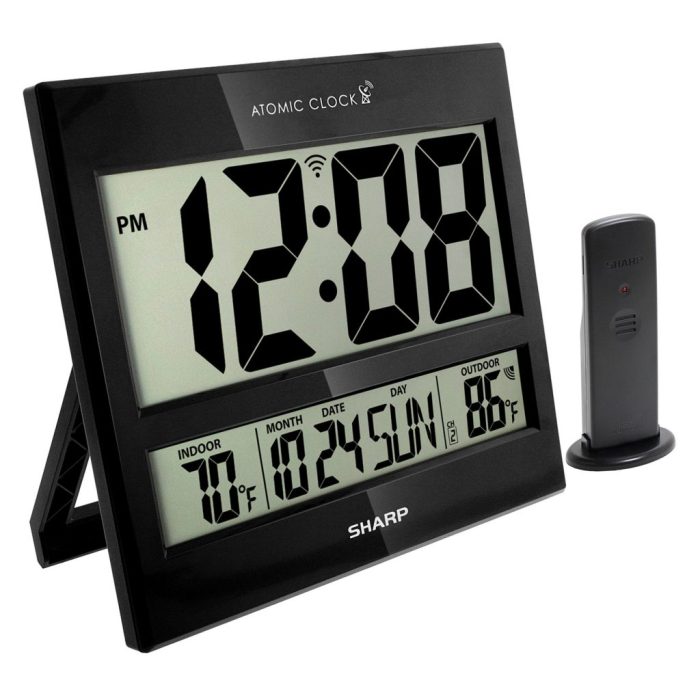
Precise timekeeping relies heavily on the meticulous maintenance of atomic clocks. These devices, while inherently stable, require careful environmental control and regular calibration to maintain their exceptional accuracy. Their operational procedures are critical to ensuring the reliability and trustworthiness of their output.Maintaining the accuracy of atomic clocks demands a multi-faceted approach, encompassing environmental control, periodic calibration, and tailored maintenance procedures specific to the clock’s design.
Failure to adhere to these protocols can lead to significant deviations in the measured time, potentially impacting critical applications that depend on precise timing.
Environmental Factors Affecting Performance
Atomic clocks are exquisitely sensitive to environmental fluctuations. Temperature variations, pressure changes, and electromagnetic fields can all subtly affect the resonant frequencies used for timekeeping. Minimizing these fluctuations is crucial to maintaining accuracy. For example, even small temperature gradients within the clock’s enclosure can introduce systematic errors. Similarly, changes in atmospheric pressure can affect the propagation of signals, altering the clock’s output.
Calibration Procedures
Regular calibration is essential for verifying the continued accuracy of atomic clocks. The process involves comparing the clock’s output against a more precise reference standard, such as a network of other atomic clocks or a highly accurate time signal broadcast from a national time service. This process typically involves precise measurements of time intervals and comparing the differences.
Specific Maintenance Needs for Different Types
Different atomic clock designs have unique maintenance requirements. Cesium beam clocks, for example, require meticulous control of the cesium beam’s path and the oven temperature. Optical atomic clocks, with their reliance on lasers and ultra-stable optical cavities, demand precise control of laser frequency and cavity alignment. Maintaining the purity of the internal vacuum in both types is critical.
Calibration Procedure: Cesium Beam Clock
- Verify Reference Standard: Confirm the accuracy of the reference standard (e.g., a national time service) by comparing it to other known time standards. This step ensures the reference itself is reliable for the calibration process.
- Record Initial Readings: Note the current time displayed on the cesium beam clock. This provides a baseline for the comparison.
- Calibration Interval: Establish a periodic calibration schedule (e.g., weekly, monthly) depending on the expected accuracy drift and the intended application. This frequency needs to be adjusted based on the anticipated variations in the environment.
- Reference Signal Acquisition: Synchronize the clock with the reference standard signal. Record the time discrepancy between the clock and the reference.
- Data Analysis: Compare the recorded time differences with the expected drift values. This allows for an evaluation of the clock’s stability over time.
- Corrective Actions: If the discrepancy exceeds the acceptable tolerance, identify and address the potential causes. This might include adjustments to the oven temperature or beam path. The nature of the corrections will depend on the cause of the discrepancy.
- Record Final Readings: Note the final time displayed on the clock after the correction. This provides a comparison to evaluate the success of the calibration.
International Standards
Global timekeeping is not a national endeavor; it’s a shared responsibility. Accurate, universally synchronized time is critical for global communication, financial transactions, and scientific research. International organizations play a crucial role in defining and maintaining these standards, ensuring consistency and reliability across diverse time zones and technological advancements.International collaboration is essential for maintaining the integrity of global timekeeping.
Discrepancies in timekeeping systems could lead to significant disruptions in vital global operations. The coordination and standardization of time measurement methods across the globe are paramount for the smooth functioning of modern societies.
Role of International Organizations
International organizations, such as the International Bureau of Weights and Measures (BIPM), play a pivotal role in defining and disseminating international time standards. The BIPM, based in Sèvres, France, is a specialized agency of the United Nations and is responsible for maintaining the International System of Units (SI), which includes the definition of the second as a fundamental unit.
This international body collaborates with national metrology institutes to ensure consistency in timekeeping methodologies.
Significance of Collaboration
Maintaining global timekeeping requires continuous collaboration between nations. This collaborative effort ensures the accuracy and consistency of time measurements across diverse geographical locations. A global timekeeping network is crucial for synchronizing activities across different time zones and enabling real-time communication and data exchange. The interconnectivity of modern systems necessitates a unified global time standard to avoid cascading errors.
Standardization Efforts
Efforts to standardize time measurements across different countries involve various international agreements and protocols. The adoption of Coordinated Universal Time (UTC) as the primary international time standard is a testament to this commitment. UTC is a coordinated atomic time scale that is maintained by international organizations and used worldwide. Nations adhere to UTC to ensure compatibility in communication, commerce, and other global activities.
Impact on Global Communication
International timekeeping standards have a profound impact on global communication. Real-time communication, from phone calls to data transfers, relies on accurate time synchronization. Satellite navigation systems, such as GPS, rely heavily on precise time signals for their positioning capabilities. The precise coordination of time signals is essential for ensuring the reliable functioning of these systems, impacting numerous aspects of modern life.
Comparison of Timekeeping Standards
| Country | Primary Time Standard | Discrepancy from UTC (in milliseconds) | Description |
|---|---|---|---|
| United States | UTC | 0 | Adheres to UTC as its primary time standard. |
| China | UTC | 0 | Uses UTC as its primary time standard. |
| Japan | UTC | 0 | Adheres to UTC as its primary time standard. |
| United Kingdom | UTC | 0 | Utilizes UTC as its primary time standard. |
| Australia | UTC | 0 | Adheres to UTC as its primary time standard. |
Note: This table represents a simplified overview. Actual timekeeping standards may include local variations or adjustments.
Illustrative Examples
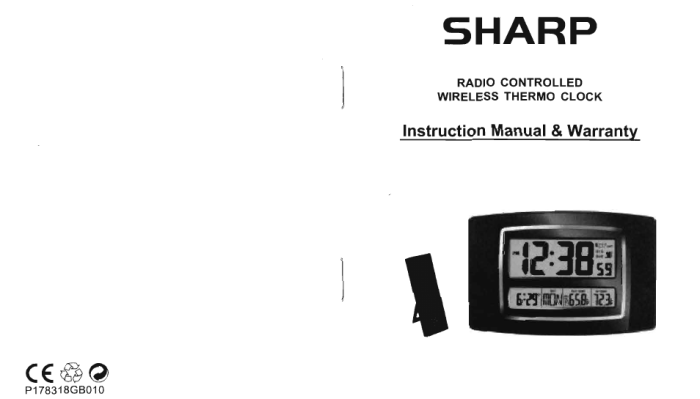
Atomic clocks, with their unparalleled precision, are transforming numerous sectors, from satellite navigation to fundamental physics research. Their ability to measure time with astonishing accuracy underpins a wide range of applications, significantly impacting our daily lives and scientific understanding. This section details specific examples showcasing the pervasive influence of atomic clocks.Atomic clocks are no longer confined to the laboratory.
Their integration into everyday technologies and complex systems has become commonplace, and their crucial role is often overlooked. The precise timing they provide is essential for numerous applications, ensuring seamless operations in diverse fields.
GPS Navigation and Positioning
Atomic clocks are the heart of global positioning systems (GPS). Their accuracy is critical for the precise determination of location, time, and velocity. The constellation of GPS satellites rely on highly accurate atomic clocks to maintain precise synchronization, enabling the receivers on Earth to pinpoint their positions with remarkable accuracy. This precise positioning is crucial for various applications, including navigation, mapping, surveying, and even disaster response.
Telecommunications and Data Transmission
Synchronized time is fundamental to telecommunications. Atomic clocks are employed to maintain precise synchronization between communication networks, enabling reliable data transmission and efficient network management. In the world of high-frequency trading, millisecond precision is paramount, and atomic clocks provide this crucial level of accuracy. Precise timekeeping is essential for ensuring smooth and error-free communication across vast networks.
Scientific Research and Fundamental Physics
Atomic clocks are invaluable tools in scientific research, particularly in the study of fundamental physics. Scientists utilize them to measure subtle variations in time, enabling experiments that probe the nature of gravity, relativity, and other fundamental forces. These experiments could lead to a better understanding of the universe and its origins. For instance, experiments involving the measurement of gravitational time dilation, predicted by Einstein’s theory of general relativity, rely on atomic clocks.
Space Exploration and Astronomy
Atomic clocks are essential for space exploration missions. They provide the precise timing needed for navigation, communication, and scientific measurements during long-duration missions. Their precision allows for the tracking of spacecraft with high accuracy, enabling missions to distant planets and other celestial bodies. For example, the precise timing of radio signals sent to and from probes on Mars is critical for the successful execution of maneuvers and data transmission.
Table: Atomic Clock Applications and Impacts
| Application | Impact |
|---|---|
| GPS Navigation | Precise location determination for navigation, mapping, and surveying; improved disaster response. |
| Telecommunications | Reliable data transmission, efficient network management, and high-frequency trading. |
| Scientific Research | Precise measurements in fundamental physics research, testing theories of gravity and relativity. |
| Space Exploration | Precise navigation, communication, and scientific measurements during long-duration missions. |
Closing Notes
In conclusion, sharp atomic clocks stand as a testament to human ingenuity in harnessing fundamental physics for practical applications. Their ongoing evolution promises even greater precision and more sophisticated applications in the future, impacting diverse fields from space exploration to telecommunications. The quest for ever-more accurate timekeeping continues, driven by the remarkable potential of these advanced technologies.
